Men’s Suit Fits Guide: Choose the Right Fit and Look Effortlessly Sharp
Published: May 23, 2026

A great suit does not start with the label inside the jacket. It starts with how the suit sits on your body. Many men spend money on expensive fabric, trendy colors, or designer names, then still feel uncomfortable because the fit is wrong. The truth is simple: a man’s suit fit can completely change your appearance. A well-fitted suit makes you look taller, cleaner, and more confident, while a poor fit can make even a premium suit look careless.
The first time most men notice suit fit is usually in photos. A jacket may feel fine in the mirror, but pictures reveal pulling buttons, long sleeves, sagging shoulders, or trousers bunching over the shoes. That is why understanding suit fits is so important before buying, altering, or wearing one. Experts often place fit above color, fabric, or brand, and suit shoulders, sleeve length, waist shape, and trouser break are all key signs of a clean fit.
What Are Men’s Suit Fits?
Men’s suit fits refer to how a suit is cut, shaped, and sized to fit the body. Fit is not only about whether the jacket buttons or the trousers close at the waist. It includes shoulder width, chest room, waist suppression, jacket length, sleeve length, trouser seat, and leg shape. A suit should follow your body without squeezing it, pulling across it, or hanging loosely like borrowed clothing.
It also helps to understand the difference between size, cut, and fit. Size is the number on the label, such as 38, 40, or 42. Cut is the suit’s shape, such as slim, modern, classic, or relaxed. Fit is how that specific cut and size works on your body. Two jackets in the same size can feel completely different because brands use different patterns and proportions.
Different Suit Fits: Slim, Modern, Classic, and Relaxed
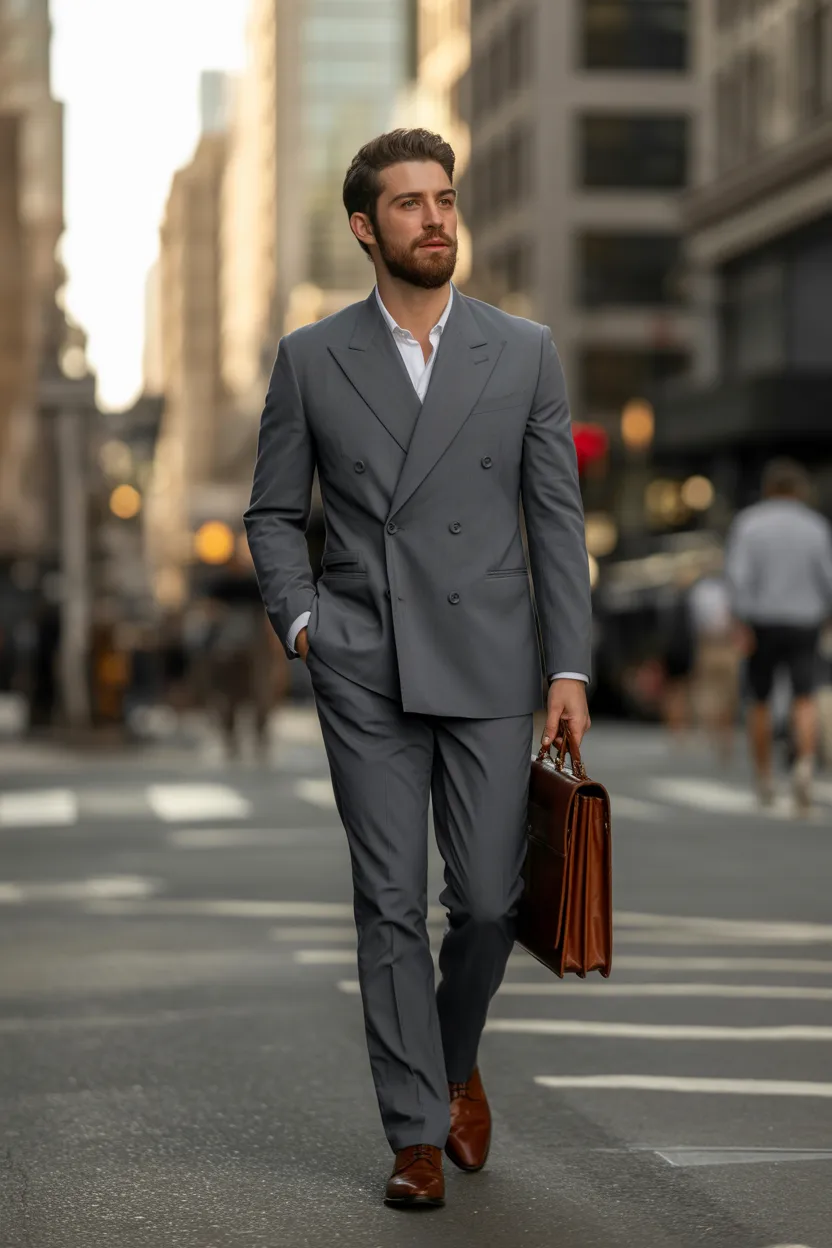
Slim fit suits are cut closer to the body, with narrower shoulders, a tapered waist, slimmer sleeves, and narrower trousers. They can look sharp on lean or athletic builds, but they should never feel tight. A slim suit that pulls at the button, wrinkles across the thighs, or restricts your arms is not stylish; it is simply too small. The best slim fit creates a clean outline while still allowing you to sit, walk, and move naturally.
Modern fit suits sit between slim and classic fits, making them one of the easiest choices for most men. They usually offer a shaped waist, a comfortable chest of room, and trousers that taper without clinging. Classic-fit suits offer more room in the chest, waist, and legs, which works well for broader builds or traditional business dressing. Relaxed fits offer the most space, but they still need structure; the suit can look oversized instead of intentional.
How Suit Shoulders Should Fit

The shoulders are the foundation of a suit jacket. When the shoulder seam sits correctly, the rest of the jacket is more likely to look balanced. The seam should meet the natural end of your shoulder, creating a smooth line without dents, bumps, or fabric collapsing over the upper arm. If the shoulder hangs too far past your body, the jacket looks too big. If it pulls upward, the jacket is too narrow.
This is one of the most important areas to get right before buying. Tailoring can fix many small issues, but shoulder changes are difficult, expensive, and often not worth the result. Oliver Wicks notes that suit shoulders are nearly impossible to alter once the jacket is constructed, so the shoulder line should be a priority when trying jackets on.
Chest and Waist Fit: The Secret to a Sharp Shape

The chest of your suit jacket should feel comfortable when buttoned, with enough room to breathe but not so much extra fabric that it folds or sags. If the lapels lift away from your chest or the fabric pulls into an X shape around the button, the jacket is too tight. If the front hangs flat with no shape, the jacket may be too large or too boxy. A good chest fit feels secure without feeling restrictive.
The waist should gently follow your natural shape. This small taper is what makes a suit look polished instead of square. Many off-the-rack suits are cut with extra room, so taking in the waist is one of the most common and useful alterations. The goal is not to create an extreme hourglass shape, but to remove unnecessary fabric so the jacket frames your torso cleanly and looks intentional from every angle.
Jacket Length and Sleeve Length
Jacket length changes the whole proportion of a suit. A jacket that is too short can make the body look awkward, and the outfit look trendy in the wrong way. A jacket that is too long can make the legs look shorter and the suit feel dated. A reliable guideline is that the jacket should cover the seat from the back and fall around the middle thumb knuckle when your arms rest naturally.
Sleeve length is a smaller detail, but it makes a big visual difference. Jacket sleeves should usually end just before the wrist bone, allowing a small amount of shirt cuff to show. Around one-quarter to three-quarters of an inch of visible cuff is often recommended for a clean, classic look. This detail adds contrast to the outfit, frames the wrist, and makes the suit look intentionally tailored rather than simply worn straight from the rack.
Button Stance and Lapel Balance
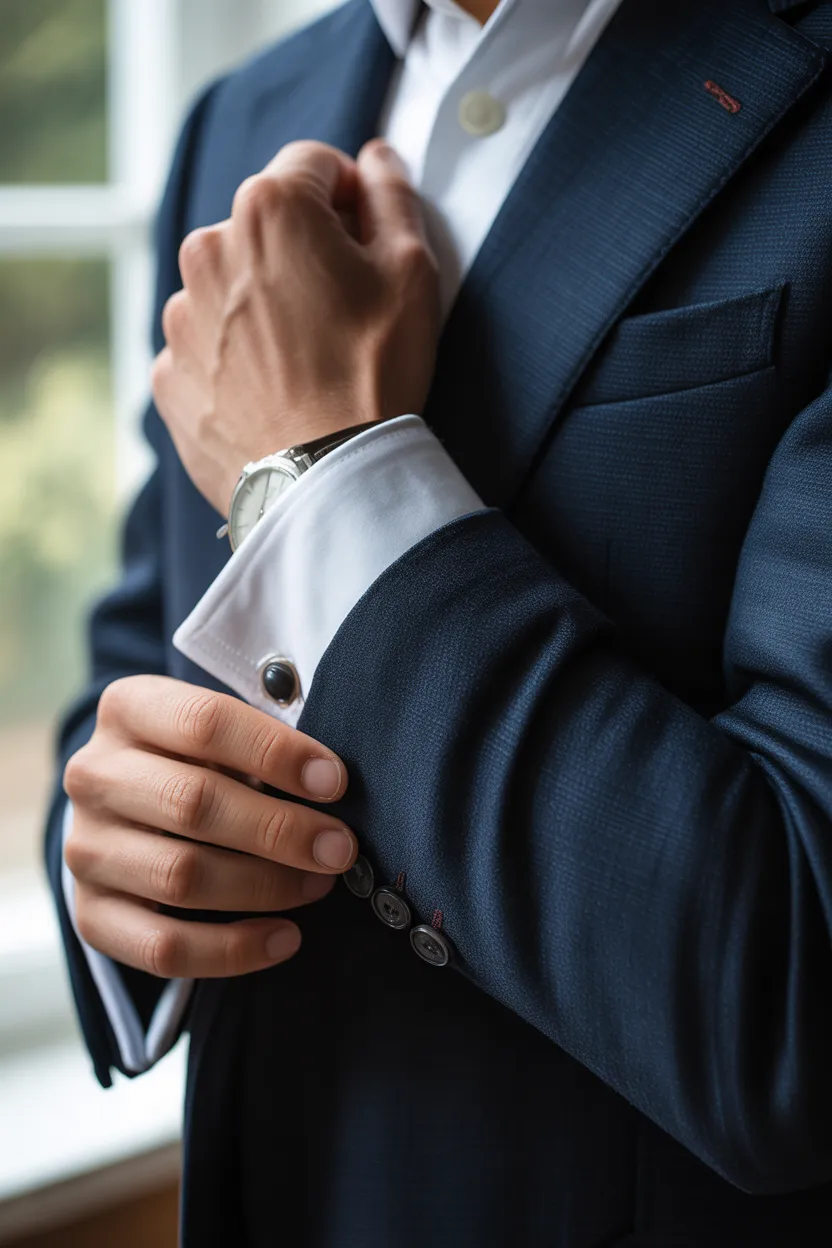
Button stance means where the main button sits on the front of the jacket. It affects how long your torso looks, how much shirt and tie are visible, and how balanced the suit appears. A button stance that sits too high can make the chest look crowded, while one that sits too low can make the torso look long and the legs shorter. This detail is built into the jacket’s design, so it cannot be easily corrected later.
For most men, the button should sit close to the natural waist, creating a balanced V shape from the lapels. Shorter men often look better with a slightly higher stance because it can visually lengthen the legs. Taller men can usually wear a lower stance more comfortably. Also, remember the classic rule: on a two-button jacket, fasten only the top button. On a three-button jacket, the middle button is usually the safest choice.
Armholes and Sleeve Pitch: Small Details That Affect Movement
Armholes are often ignored, but they affect comfort more than most men realize. Low armholes may feel roomy at first, but when you move your arms, the whole jacket lifts and shifts. Higher armholes usually allow better movement because the sleeve can move with your arm rather than dragging the jacket’s body along. Gentleman’s Gazette notes that oversized armholes can restrict movement despite seeming more comfortable.
Sleeve pitch is the angle at which the sleeve is attached to the jacket. Since everyone’s arms hang slightly differently, the wrong sleeve pitch can create twisting wrinkles down the sleeve. This is not the same as sleeve length and is harder to fix with basic alterations. When trying on a suit, stand naturally and check whether the sleeves hang smoothly. Then move your arms forward, sit down, and see whether the jacket still feels natural.
Suit Trousers: Waist, Seat, and Break

A complete guide to suit fits should not stop at the jacket. Trousers need the same attention. The waistband should sit comfortably without needing a tight belt to stay in place. The seat should follow your body without sagging or pulling. If the fabric stretches across the hips or creates deep horizontal lines, the trousers are too tight. If excess fabric hangs under the seat, it is too loose or needs tailoring.
Trouser break refers to how the hem rests on your shoes. A slight break, where the fabric gently touches the shoe and creates one soft fold, is one of the most versatile choices. No break looks modern and clean, especially with slimmer trousers, but it requires precise length. A full break looks more traditional but can appear messy if the trousers are too wide or too long. Oliver Wicks recommends a slight break for a balanced fit.
Modern vs Traditional Suit Fits
Modern suit fits are cleaner and more shaped than the oversized suits many men remember from older business wardrobes. They usually have a closer waist, narrower trousers, and a jacket length that feels current without looking too short. This style works well for weddings, office outfits, networking events, and Pinterest-inspired men’s fashion boards because it photographs well and creates a sharp silhouette without looking forced.
Traditional suit fits offer more room and structure. They are often better for formal business settings, mature wardrobes, or men who dislike tight clothing. The key is balance. Traditional does not mean baggy, and modern does not mean skinny. The best suit fit is the one that matches your body, lifestyle, and comfort level. A suit should make you stand taller, not make you constantly adjust your sleeves, buttons, or waistband.
What a Tailor Can and Cannot Fix
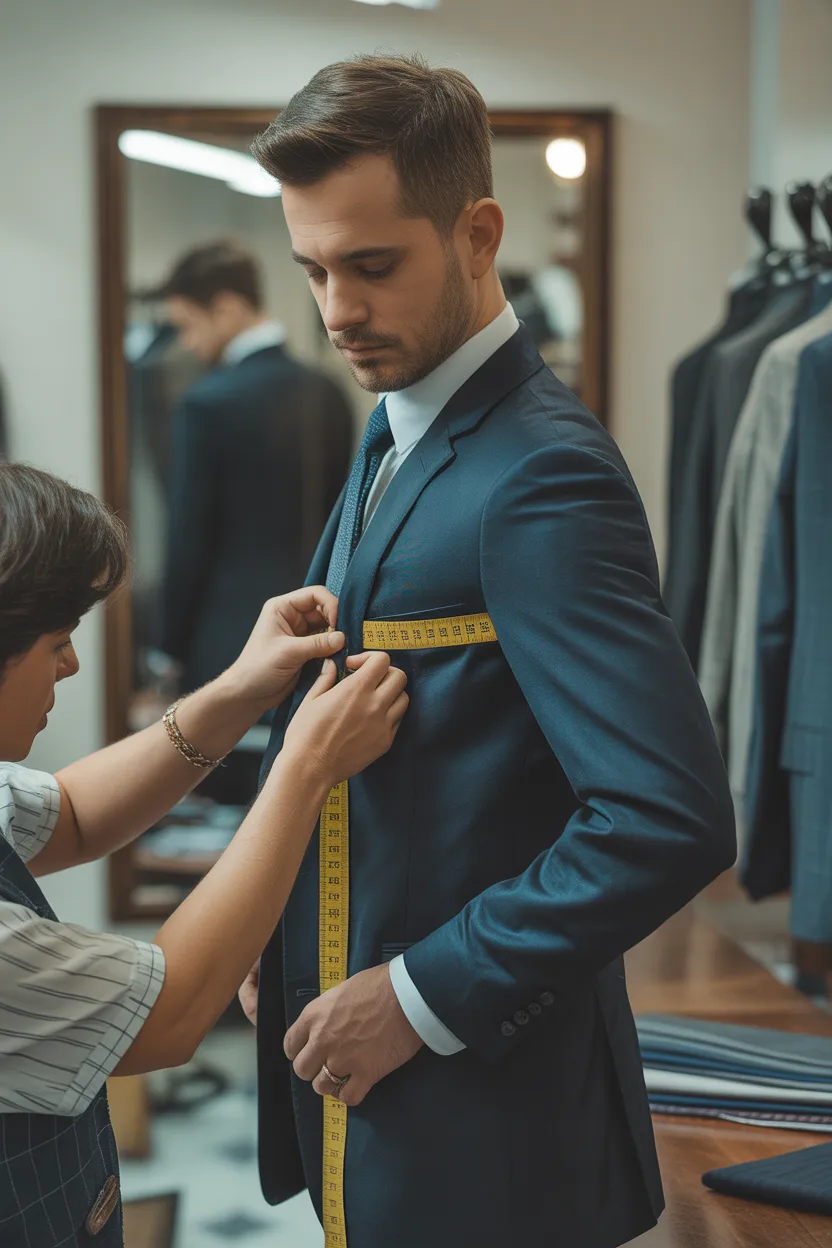
A tailor can improve many parts of a suit, including sleeve length, trouser hems, waist shaping, and minor trouser waist adjustments. These small changes can transform an average off-the-rack suit into something that looks much more expensive. If the shoulders, chest, and overall jacket length are already close, tailoring is usually worth it. Think of alterations as refinement, not rescue.
Some problems are much harder to fix. Shoulders, armholes, button stance, and major jacket length changes are either expensive, risky, or structurally limited. Gentleman’s Gazette explains that ready-to-wear garments have alteration limits because tailors can only work with the fabric and construction already present. This is why choosing the closest possible suit fit before alterations is smarter than buying the wrong size and hoping a tailor can rebuild it.
Suit Fit Checklist Before You Buy
Before buying any suit, check the shoulders first. If they are wrong, move on. Then button the jacket and look for pulling across the chest or waist. Check the lapels, collar, sleeves, and jacket length. Sit down while wearing the suit because a jacket that looks good standing may feel tight when seated. Move your arms naturally to test the armholes and sleeve pitch.
For trousers, check the waist, seat, thigh, and hem length with the shoes you plan to wear. The wrong shoes can change how the trousers break look. Take mirror photos from the front, side, and back, because photos often reveal issues your eyes miss in the fitting room. This simple habit makes it easier to compare different suit fits and choose the one that looks best in real life.
- 19 Classy Men’s Dinner Outfit Ideas That Never Miss
- 19 Men’s Casual Dinner Outfit Ideas That Look Sharp Without Trying Too Hard
- 22 Modern Cowboy Style Men’s Outfit Ideas That Bring Western Fashion Into Today
- 19 Men’s Zip Up Hoodie Outfits That Instantly Upgrade Your Casual Style
- 22 Sweater Vest Outfit Ideas For Men That Instantly Upgrade Your Style
Conclusion
Understanding men’s suit fits makes shopping much easier. Instead of guessing based on size labels, you start looking at the details that actually matter: shoulders, chest, waist, sleeves, jacket length, button stance, armholes, trousers, and movement. Once you know these signs, you can quickly tell whether a suit is worth buying, needs minor tailoring, or should be left on the rack.
The best suit does not need to be the most expensive one in the store. It needs to fit your body, support your posture, and make you feel confident without discomfort. Whether you choose slim, modern, classic, or relaxed, the same rule applies: the suit should follow your shape without fighting it. Get the foundation right, tailor the small details, and your suit will look sharp from every angle.



- Be Respectful
- Stay Relevant
- Stay Positive
- True Feedback
- Encourage Discussion
- Avoid Spamming
- No Fake News
- Don't Copy-Paste
- No Personal Attacks
- Be Respectful
- Stay Relevant
- Stay Positive
- True Feedback
- Encourage Discussion
- Avoid Spamming
- No Fake News
- Don't Copy-Paste
- No Personal Attacks
