What Actually Happens During a Men’s Facial? A Step-by-Step Guide for First-Timers
Published: May 22, 2026
Getting a man’s facial is not about being fancy, dramatic, or overly high-maintenance. It is simply a smarter way to take care of the skin you show every single day. Most men are already comfortable booking haircuts, beard trims, or dental cleanings, so a facial fits naturally into that same self-care routine. Your face deals with shaving, sweat, pollution, sunscreen, oil buildup, and daily stress, and sometimes a basic face wash just does not clean deeply enough.
The first time I booked a facial, I honestly expected it to feel awkward. Instead, it felt practical, calming, and surprisingly useful. A good facial helps with clogged pores, dullness, rough texture, blackheads, razor irritation, and dryness. Dermatology research also notes that men’s skin often produces more sebum and can differ in thickness compared with women’s skin, which is why a targeted routine can make a visible difference.
Before You Even Walk In: What to Know When Booking a Men’s Facial
Before booking your men’s facial, think about what you actually want help with. Maybe your skin feels greasy by lunch, your cheeks get dry after shaving, or your nose always seems full of blackheads. You do not need professional skincare vocabulary to explain this. Just describe what you see and feel. A good spa, grooming studio, or esthetician will guide you toward the right facial for concerns such as acne, razor bumps, oiliness, sensitivity, dryness, or uneven texture.
It is also smart to mention anything you already use on your face, especially acne treatments, retinoids, exfoliating acids, or prescription creams. Some ingredients can make your skin more sensitive, so your esthetician needs that information before applying stronger products. The American Academy of Dermatology recommends keeping skincare gentle and consistent, especially with cleansing, moisturizing, and sun protection, which also serves as a helpful foundation before any professional treatment.
The Consultation: Yes, They’re Going to Look at Your Skin Up Close
Once you arrive, the first real step is usually a short consultation. This is where the esthetician looks closely at your skin and asks about your routine, shaving habits, breakouts, irritation, and lifestyle. They may use a bright light or magnifying lamp, which can feel intense at first, but it is completely normal. They are not judging your pores or dry patches. They are assessing your skin’s needs to customize the treatment safely and effectively.
This is the best time to be honest. If you only wash your face with body soap, say that. If you shave daily and always get bumps on your neck, say that too. The more specific you are, the better the facial can be. A proper consultation helps them decide whether your skin needs deep cleansing, gentle exfoliation, calming ingredients, extra hydration, or more attention around shaving-related irritation. Think of it as a skin check-in, not a test.
Step One: Cleansing — The Deep Kind, Not Your Morning Routine
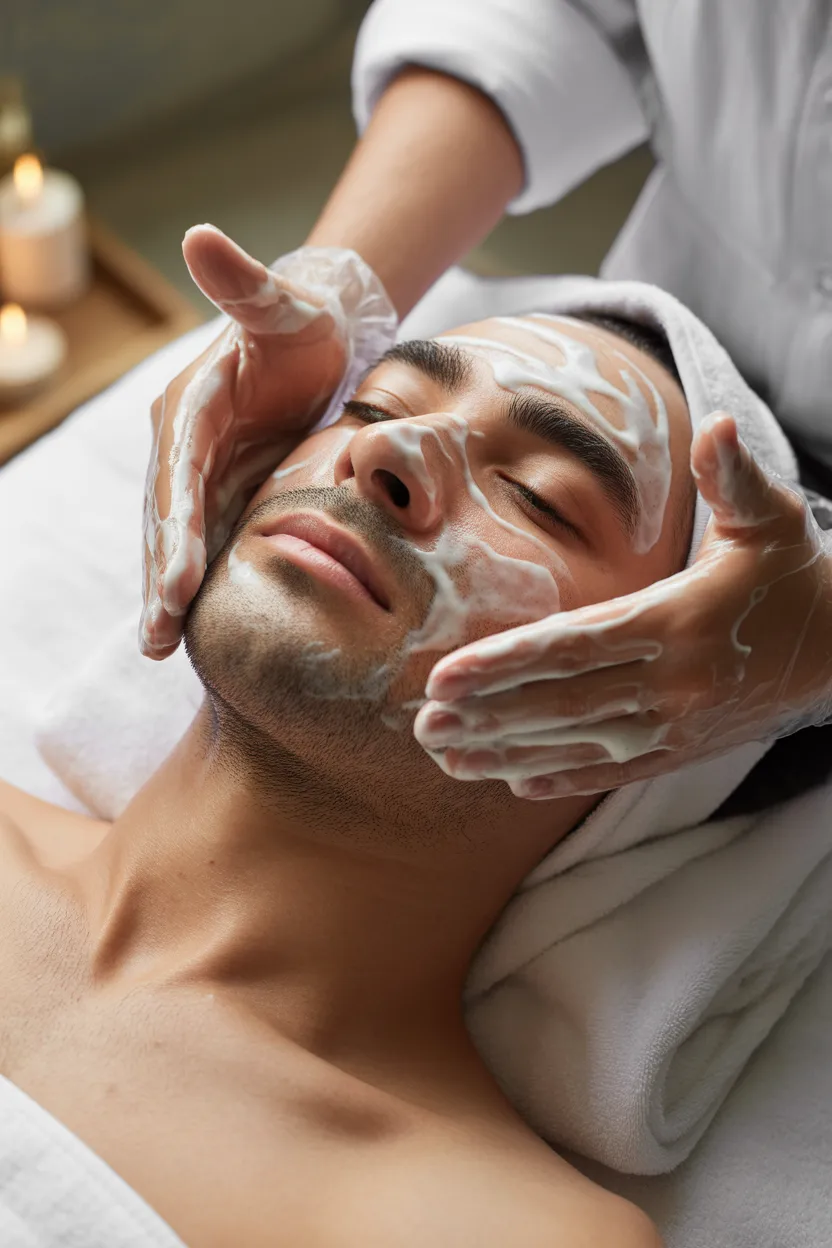
The facial usually begins with cleansing while you are lying back on a treatment bed. Your hair may be held away from your face with a towel or headband, and the esthetician will then begin cleaning your skin with professional products. This is not the same as splashing water on your face in the morning. The goal is to remove sweat, oil, sunscreen, dirt, and product buildup so the rest of the facial can work properly.
This part is simple, comfortable, and usually relaxing. The esthetician will use slow, circular movements and warm towels or damp cotton pads to clean the skin thoroughly. If you wear sunscreen, work outdoors, shave often, or have oily skin, this step matters more than you might think. Clean skin gives the esthetician a better surface to analyze and treat. It also helps exfoliants, masks, and serums absorb more evenly later in the appointment.
Step Two: Exfoliation — Where Things Start Getting Interesting
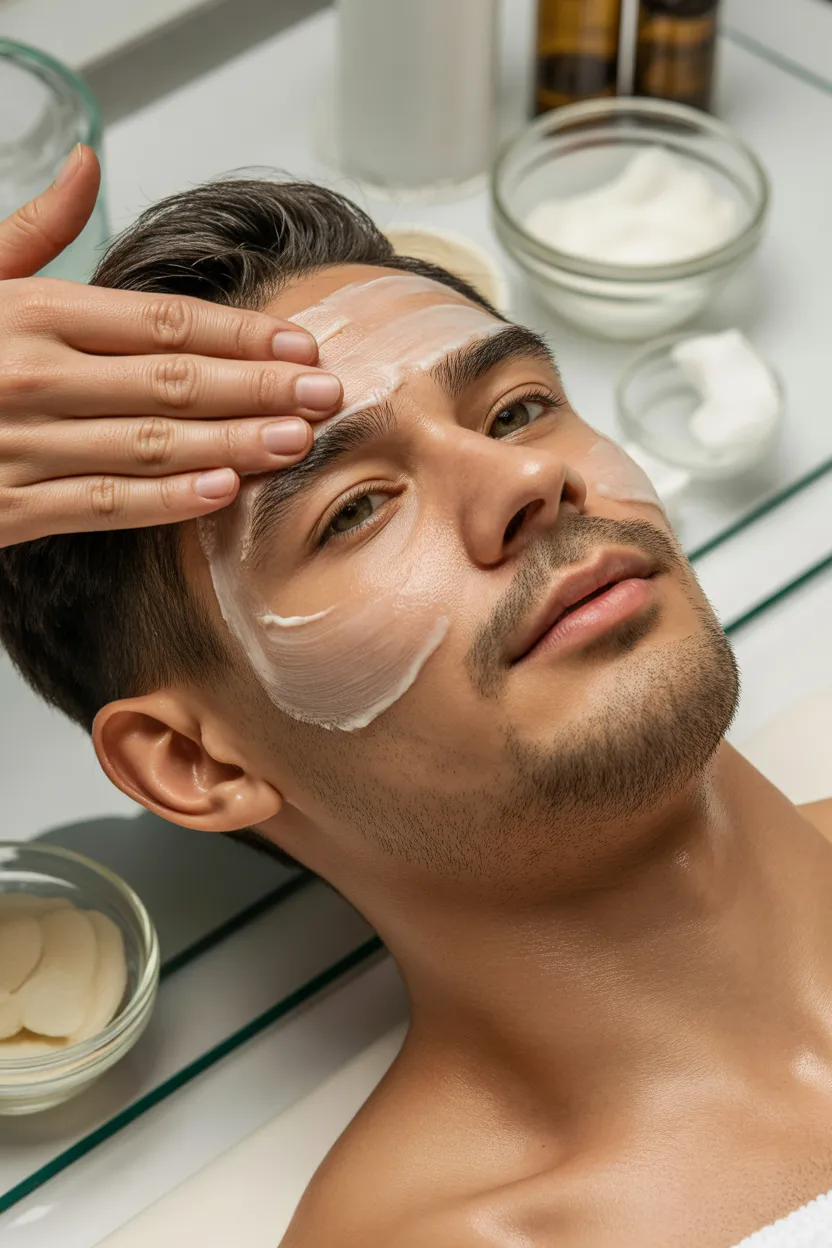
After cleansing, the esthetician will usually exfoliate your skin. Exfoliation removes dead skin cells that can make your face look dull, rough, or uneven. Depending on your skin type, they may use a gentle scrub, an enzyme treatment, or a chemical exfoliant such as an alpha-hydroxy acid or beta-hydroxy acid. This step can help smooth texture and loosen buildup around pores, especially if you struggle with blackheads or post-shave roughness.
You may feel mild tingling, warmth, or a slightly grainy texture when using a scrub, but exfoliation should not be painful. If your skin starts burning or feels too uncomfortable, speak up immediately. The AAD explains that exfoliation should be chosen carefully based on skin type because the wrong method can cause redness, irritation, or breakouts. A professional facial is helpful because the esthetician can adjust the intensity instead of guessing.
Step Three: Steam — Yes, Really
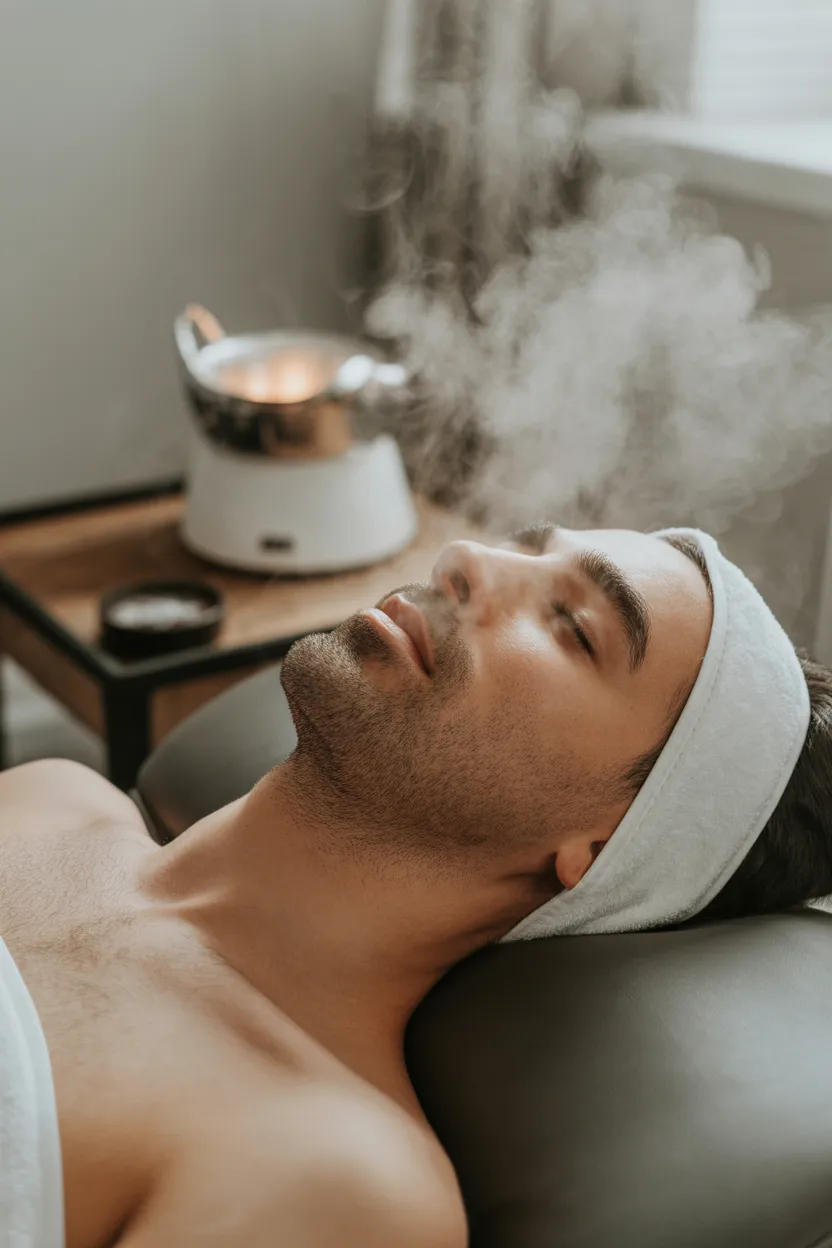
Steam is the part where the facial starts to feel more like a spa treatment. A warm stream of vapor is directed toward your face for several minutes. The purpose is not just relaxation, although it does feel calming. Steam helps soften surface buildup and makes clogged pores easier to work with during the next step. It can also make the whole experience feel slower, quieter, and less intimidating if this is your first facial.
Some men love the steam because it feels like a reset after a stressful week. Others find it a little too warm or humid, especially if they are not used to spa treatments. That is completely fine. You can always ask the esthetician to move the steamer farther away or reduce the time. The point is comfort and preparation, not endurance. A good facial should feel controlled, professional, and customized to your skin.
Step Four: Extractions — The Part Everyone Talks About
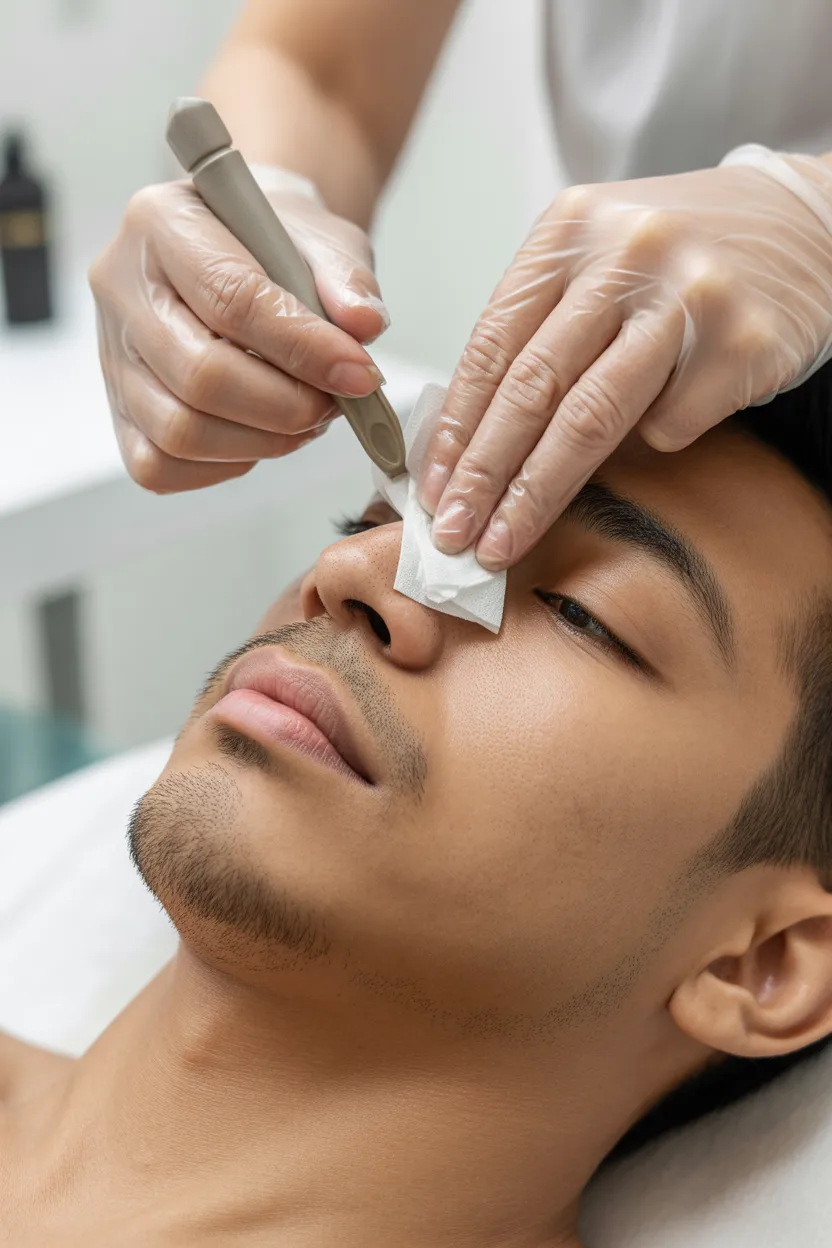
Extractions are often the most talked-about part of a man’s facial because they can feel slightly uncomfortable. This is when the esthetician carefully removes blackheads, whiteheads, and trapped buildup from clogged pores. They may use gloved fingers wrapped in tissue or a small professional tool. The process is much safer than squeezing your own skin at home, where excessive pressure can cause marks, irritation, or even scarring.
You might feel pressure, pinching, or brief discomfort, especially around the nose and chin, where pores often clog more easily. Still, it should never feel unbearable. The benefit is that stubborn congestion finally gets cleared properly. If you have been trying to scrub away blackheads for months with no success, extractions can be the step that makes your skin look and feel noticeably cleaner. This is also where many men realize the facial was actually worth booking.
Step Five: Mask Time — The Chill Part
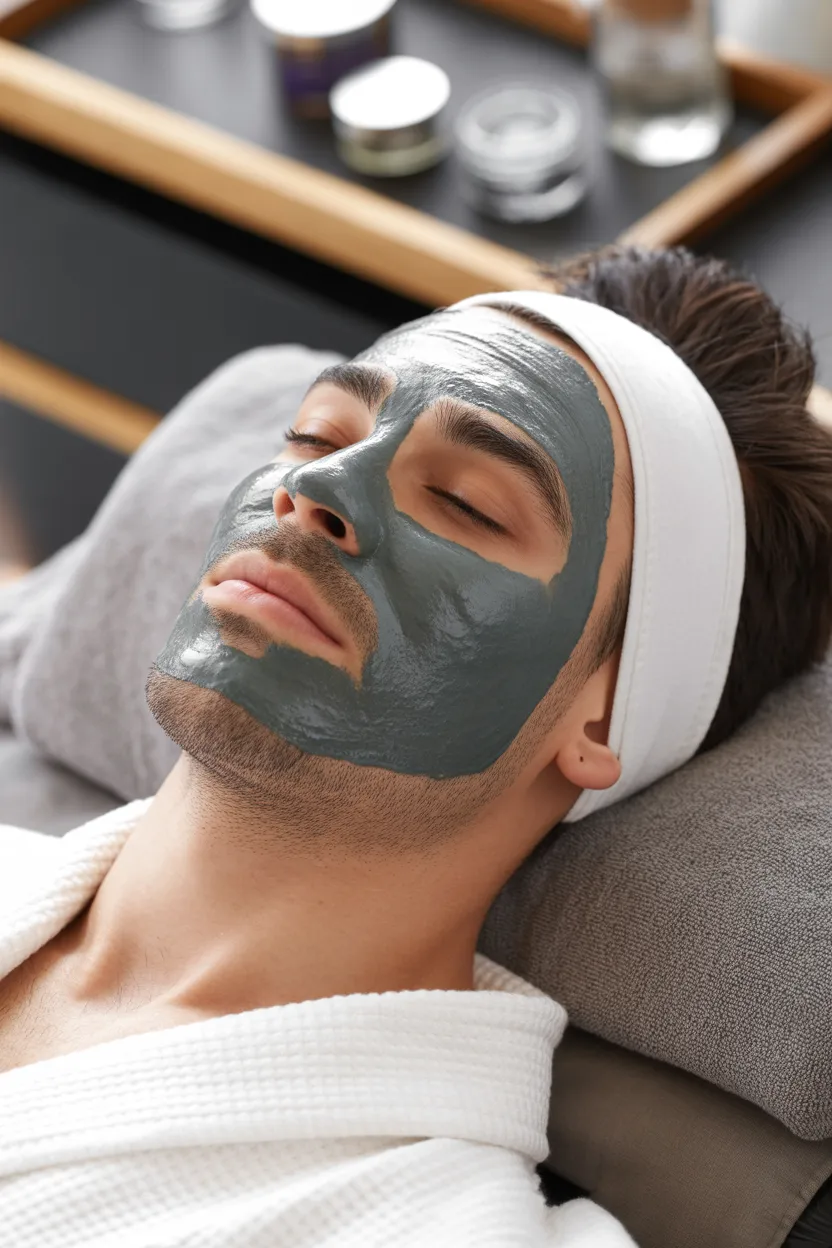
After extractions, your skin usually needs calming, balancing, or hydration. That is where the mask comes in. The esthetician chooses a mask based on your skin condition, not just a random product from a shelf. Oily or congested skin may get a clay-based mask to absorb excess oil. Dry or irritated skin may get a hydrating or soothing mask. Sensitive skin may need something gentle to reduce redness and restore comfort.
This is often the easiest part of the appointment. You simply lie still while the mask works for around 10 to 20 minutes. Some places add a shoulder, scalp, hand, or arm massage during this time, which makes the facial feel more relaxing than expected. You do not have to make conversation if you do not want to. Most estheticians understand that many clients prefer to close their eyes, relax, and enjoy the quiet.
Step Six: Serums, Moisturizer, and SPF
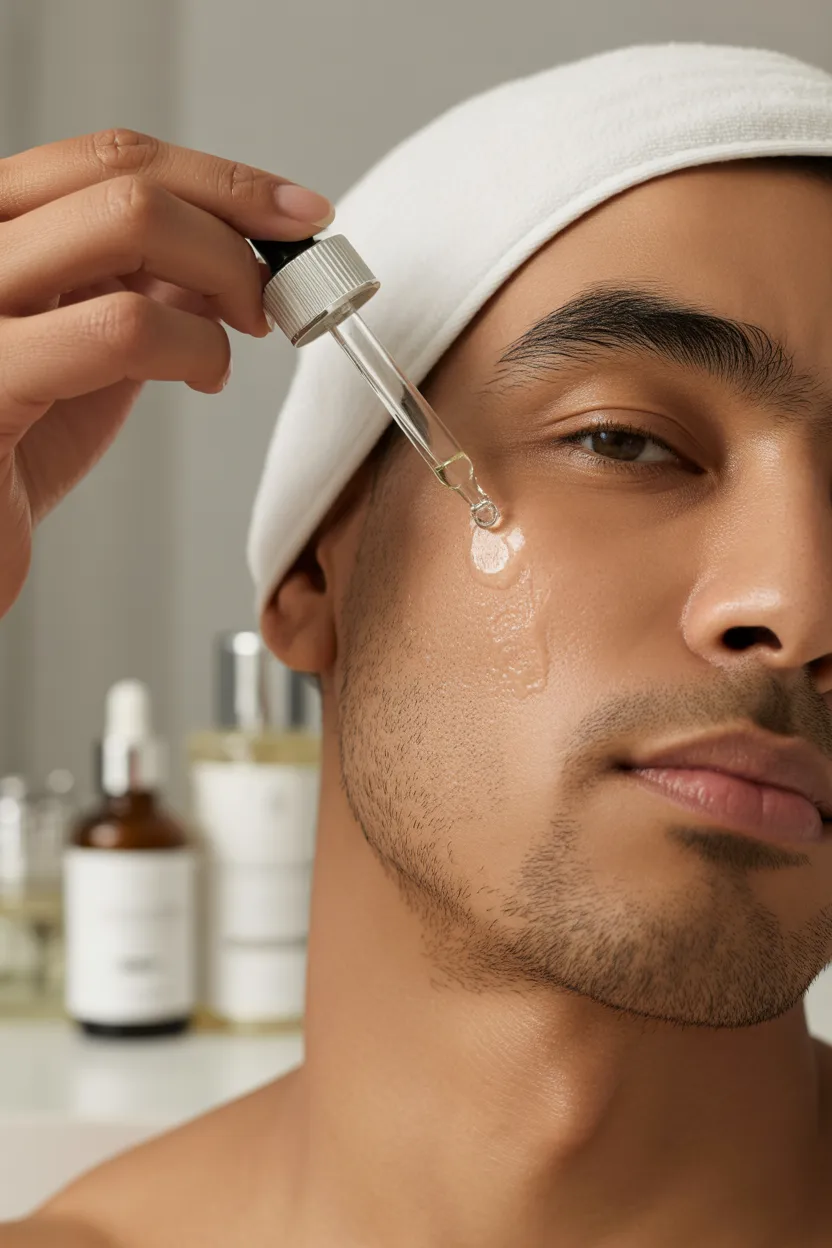
Once the mask is removed, the esthetician finishes the facial with targeted skincare products. This may include a serum for hydration, redness, texture, or breakouts, followed by a moisturizer to support the skin barrier. If your appointment is during the day, sunscreen should usually be applied at the end of the day. This finishing step helps protect the freshly treated skin and keeps it from feeling tight or dry after all the cleansing and exfoliation.
This is also when your skin often feels its best: clean, smooth, hydrated, and lighter. The esthetician may explain which products they used and why. You do not need to buy everything they recommend, but listen carefully because their advice can help simplify your home routine. Daily sunscreen use matters, too; dermatologists recommend it because it helps reduce sunburn, premature aging, and long-term skin damage.
- 19 Classy Men’s Dinner Outfit Ideas That Never Miss
- 19 Men’s Casual Dinner Outfit Ideas That Look Sharp Without Trying Too Hard
- 22 Modern Cowboy Style Men’s Outfit Ideas That Bring Western Fashion Into Today
- 19 Men’s Zip Up Hoodie Outfits That Instantly Upgrade Your Casual Style
- 22 Sweater Vest Outfit Ideas For Men That Instantly Upgrade Your Style
What Your Skin Will Look Like Right After
Right after a man’s facial, your skin may look a little red, especially if you had extractions. This is normal for many people and usually settles within a few hours. Your face may also feel extra clean, slightly tight, or more sensitive than usual. Do not panic if you do not walk out looking instantly flawless. A facial is a treatment, and your skin sometimes needs a little time to calm down.
By the next day, many men notice a smoother texture, less dullness, and a cleaner look around the nose, forehead, and chin. If extractions were done, tiny marks may appear where clogged pores were cleared, but they usually fade quickly. The biggest difference is often how the skin feels. It may feel softer when you wash your face, easier to shave, and less rough to the touch. That fresh, clean feeling is one reason facials become addictive.
Also Like: The 5-Minute Men’s Grooming Routine That Actually Works
The Aftercare Nobody Tells You About
Aftercare is where many men accidentally undo the benefits of a facial. For the first day, keep things simple and gentle. Avoid scrubbing, strong exfoliants, harsh acne treatments, heavy fragrance, and unnecessary touching. Your skin has just been deeply cleaned and treated, so it does not need an aggressive routine that night. A mild cleanser, moisturizer, and sunscreen the next morning are usually enough unless your esthetician gives you different instructions.
It is also better to skip heavy sweating, hot showers, saunas, and intense workouts right after your facial. Freshly exfoliated or extracted skin can feel more sensitive, and sweat or heat may increase irritation. SELF’s dermatologist-informed aftercare guidance also recommends avoiding picking, heavy makeup, saunas, workouts, and strong products immediately after a facial. Think of the next 24 hours as recovery time for your skin, not the moment to test a new routine.
Also Like: What Men Over 40 Get Wrong About Skincare
How Often Should You Actually Get Facials?
How often you should get a man’s facial depends on your skin goals. If you have clogged pores, frequent breakouts, rough texture, or shaving irritation, a facial every four to six weeks may help keep things under control. That timing lines up with the skin’s natural renewal cycle and gives your esthetician a chance to track progress. It also prevents buildup from getting out of hand before you try to fix it again.
If your skin is generally clear and you just want maintenance, you do not need to go that often. A facial every two to three months can still help refresh your skin, especially before events, photos, travel, weddings, or seasonal changes. Even one professional facial a few times a year can teach you what your skin actually needs. The real goal is not perfection. It is cleaner, healthier-looking skin that is easier to manage at home.
What Makes a “Men’s Facial” Different Anyway?
A man’s facial is not completely different from any other professional facial, but the focus may shift. Men often deal with oiliness, larger-looking pores, shaving irritation, ingrown hairs, and a rougher texture, so that the treatment may include deeper cleansing, extractions, exfoliation, and calming steps around shaved areas. The products may also be chosen for thicker, oilier, or more prone-to-congestion skin, depending on what the esthetician sees during the consultation.
Some spas also design the experience to feel more comfortable for men, using fewer floral scents, simpler product explanations, or a more grooming-focused atmosphere. But the truth is simple: good skincare is good skincare. The best facial is not the one with the most masculine marketing. It is the one that addresses your actual skin concerns, respects sensitivity, and leaves you with practical advice you can follow after you leave.
- 19 Classy Men’s Dinner Outfit Ideas That Never Miss
- 19 Men’s Casual Dinner Outfit Ideas That Look Sharp Without Trying Too Hard
- 22 Modern Cowboy Style Men’s Outfit Ideas That Bring Western Fashion Into Today
- 19 Men’s Zip Up Hoodie Outfits That Instantly Upgrade Your Casual Style
- 22 Sweater Vest Outfit Ideas For Men That Instantly Upgrade Your Style
Conclusion
Yes, a man’s facial can be worth it if your at-home routine isn’t addressing your skin concerns. It is especially useful for blackheads, clogged pores, dullness, rough texture, shaving bumps, and skin that always feels either greasy or dry. A professional can clean, exfoliate, extract, calm, and hydrate your skin in ways that are difficult to fully replicate at home. It also gives you expert feedback instead of leaving you to guess in the skincare aisle.
The first appointment may feel unfamiliar, but it is not something to overthink. You walk in, briefly discuss your skin, lie back, and let a trained professional handle the rest. By the time you leave, your face should feel cleaner and more balanced than it did when you arrived. For most men, that is the real selling point. A facial is not about vanity. It is about finally giving your skin the maintenance it has probably needed for years.
- 19 Classy Men’s Dinner Outfit Ideas That Never Miss
- 19 Men’s Casual Dinner Outfit Ideas That Look Sharp Without Trying Too Hard
- 22 Modern Cowboy Style Men’s Outfit Ideas That Bring Western Fashion Into Today
- 19 Men’s Zip Up Hoodie Outfits That Instantly Upgrade Your Casual Style
- 22 Sweater Vest Outfit Ideas For Men That Instantly Upgrade Your Style



- Be Respectful
- Stay Relevant
- Stay Positive
- True Feedback
- Encourage Discussion
- Avoid Spamming
- No Fake News
- Don't Copy-Paste
- No Personal Attacks
- Be Respectful
- Stay Relevant
- Stay Positive
- True Feedback
- Encourage Discussion
- Avoid Spamming
- No Fake News
- Don't Copy-Paste
- No Personal Attacks
