Why Traditional Japanese Tattooing Takes Years To Complete
Published: May 11, 2026
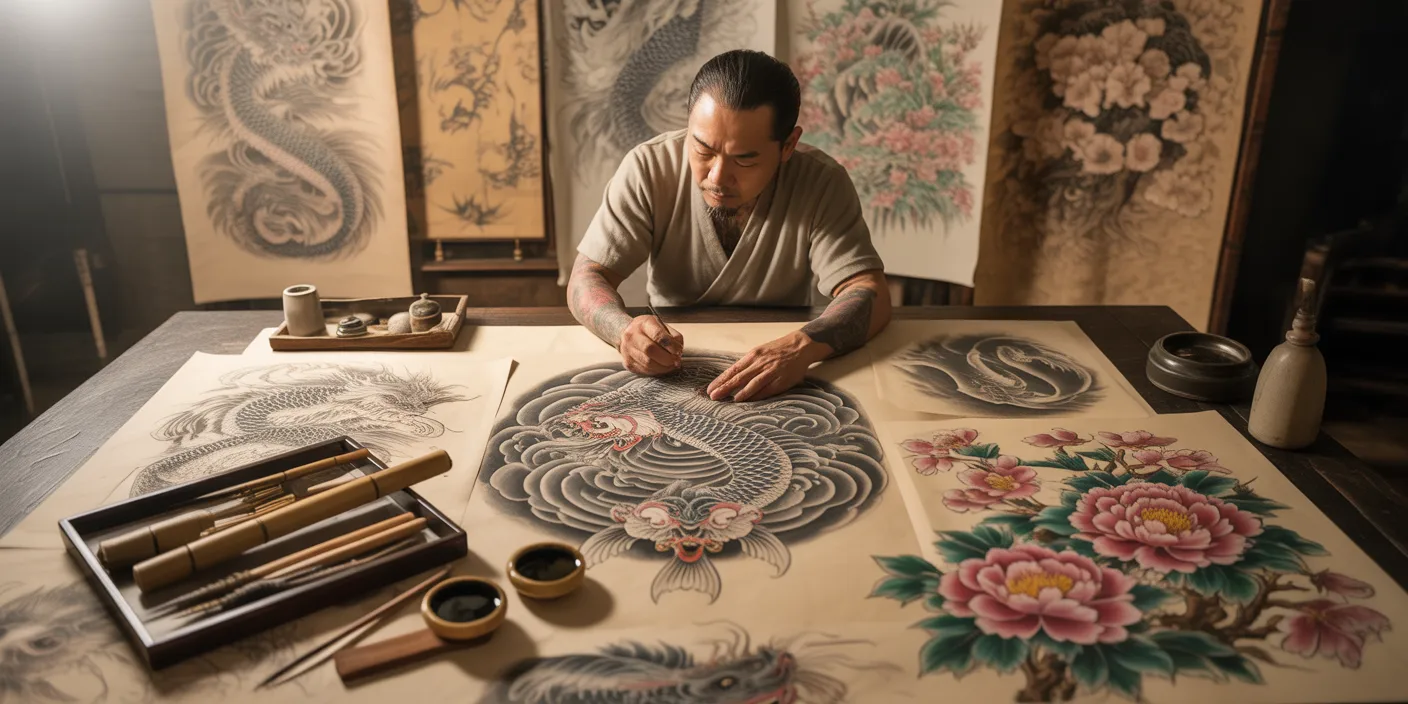
Traditional Japanese tattooing is not the kind of body art someone rushes into after one quick idea board. It is slow, layered, symbolic, and deeply personal. The first thing that makes it different is the method itself. Tebori means “hand carving,” and the artist works ink into the skin by hand rather than relying solely on a modern electric tattoo machine. This gives the process a quiet, controlled rhythm that feels closer to craft than quick decoration.
For Pinterest readers looking at dramatic Japanese backpieces, dragon tattoos, koi sleeves, or full bodysuit inspiration, the timeline can be surprising. A traditional piece may take months, while a larger horimono or bodysuit can take several years of repeated appointments. That long timeline is not just about size. It includes design planning, placement, healing, colour building, cultural meaning, and the relationship between artist and client.
The Ancient Art Of Hand-Carving Skin
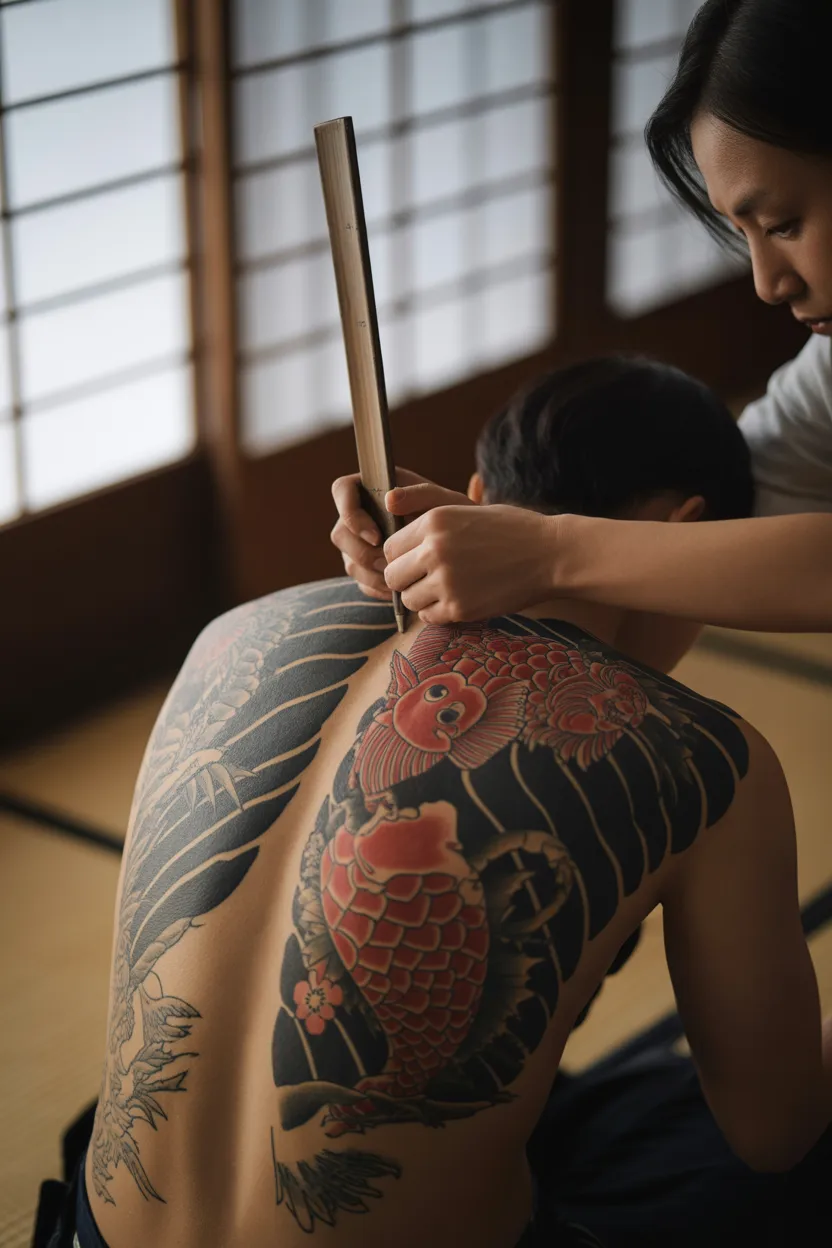
Tebori is one of the most recognisable parts of traditional Japanese tattooing because it keeps the hand-made quality at the centre of the process. Instead of a machine rapidly driving needles into the skin, the artist uses a hand tool with needle groupings attached to the end. With steady pressure and repeated motion, ink is carefully and rhythmically worked into the skin. This method requires control, patience, and a deep understanding of how skin responds during each pass.
What makes this technique feel so impressive is the level of judgment involved. The artist is constantly adjusting angle, pressure, spacing, and movement based on the body area, the client’s skin, and the part of the design being filled. Outlines, shading, and colour saturation all need different handling. From my perspective, that is why tebori feels less like a fast service and more like a long artistic collaboration between the body and the person creating the tattoo.
The Apprenticeship No One Talks About
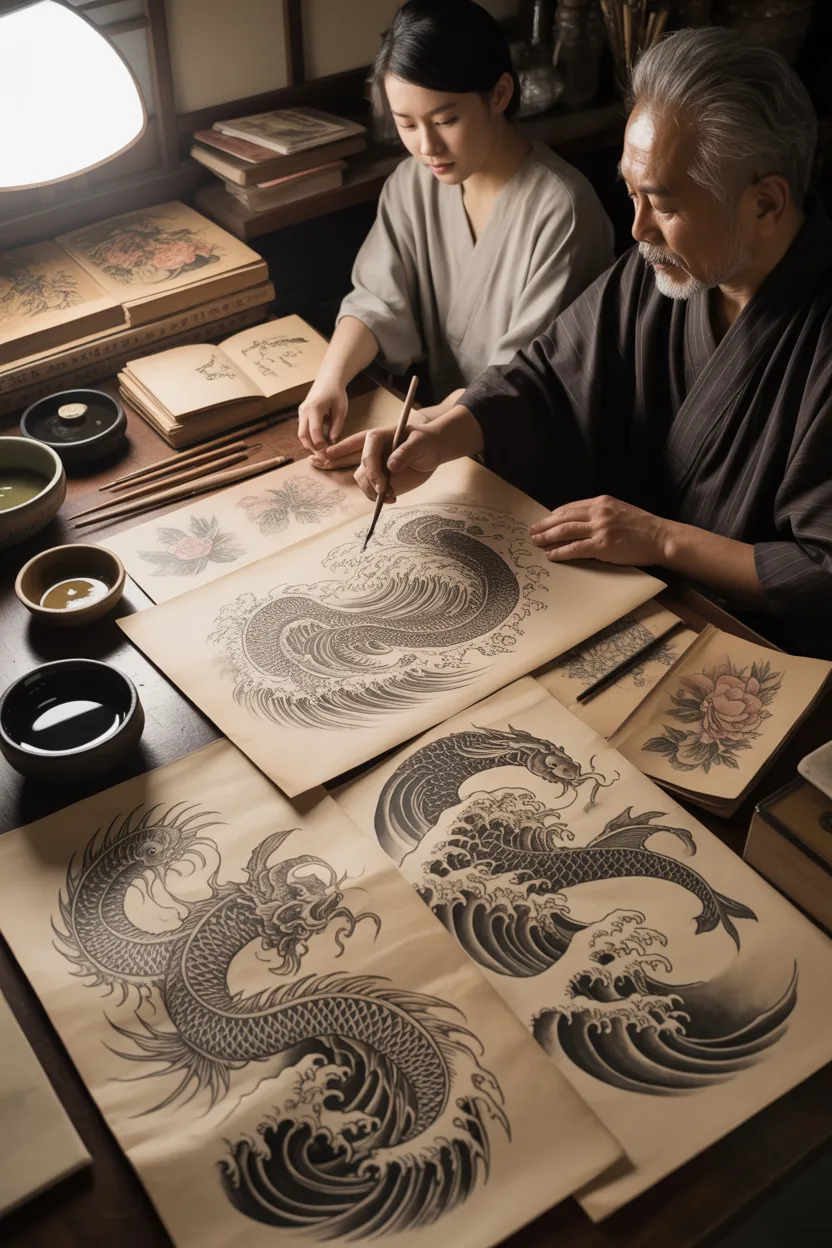
A major reason traditional Japanese tattooing takes years is that the artist’s training does, too. This is not a style someone can master through a few online tutorials or short practice sessions. Traditional knowledge is usually passed down through a master-apprentice relationship, in which the apprentice studies drawing, tools, hygiene, cultural symbolism, body placement, and the discipline of repetition before working independently. Public information about true traditional training is limited, which adds to the mystery around the craft.
That slow learning process matters because Japanese tattooing is built on more than technical lines. A skilled horishi needs to understand dragons, koi, tigers, peonies, waves, wind bars, masks, and seasonal flowers in a way that feels balanced and authentic. The apprentice also learns how a tattoo should flow across shoulders, ribs, arms, thighs, and back muscles. In my opinion, this hidden training is one of the reasons why completed Japanese tattoos often look so intentional rather than randomly assembled.
40 Men’s Biblical Tattoo Ideas That Feel Meaningful And Timeless
Building A Bodysuit: A Multi-Year Journey
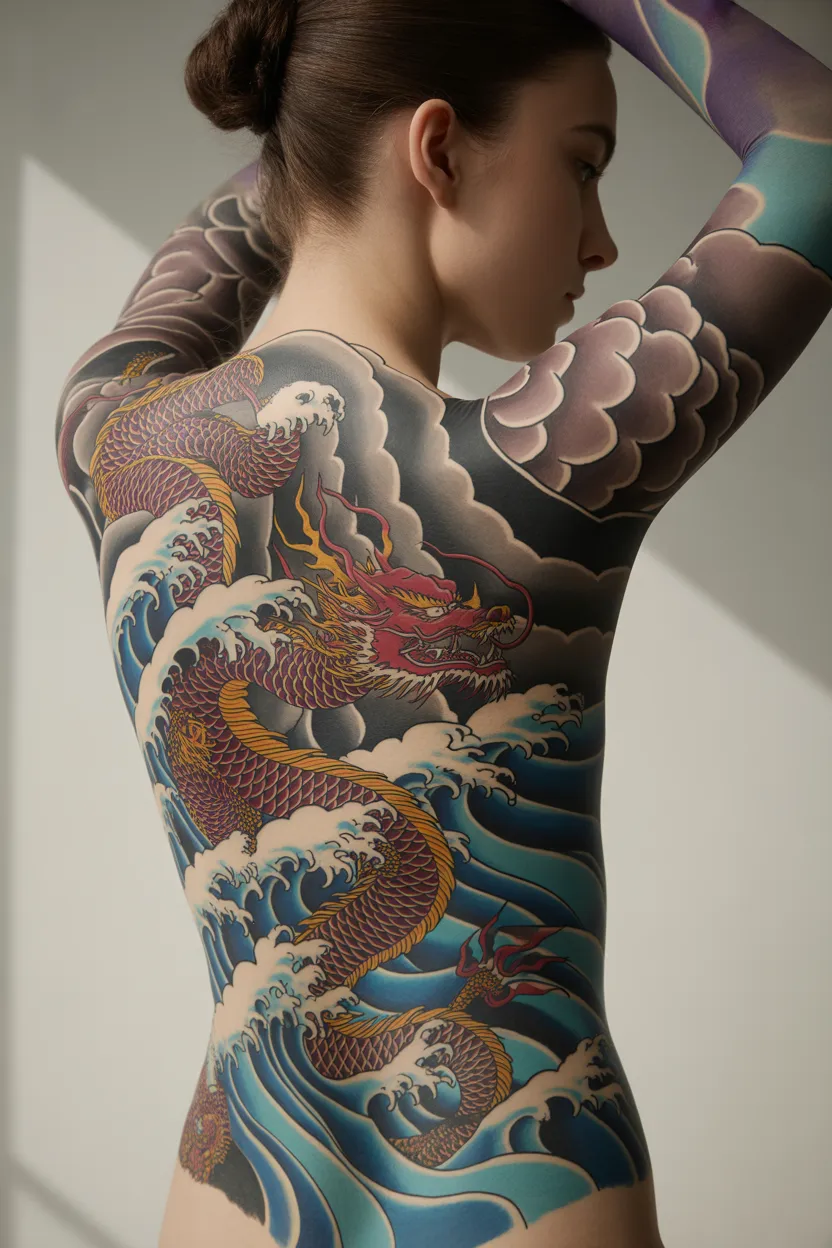
A traditional Japanese bodysuit is one of the biggest commitments in tattoo culture. It may include a full backpiece, chest panels, sleeves, thighs, and connected background elements that read as a single visual story. Large traditional pieces can take years to complete because the work is done in stages, with time to heal between appointments. Some references note that traditional body suits may require weekly visits over several years and can become very expensive due to the time required.
The back is often treated as the foundation because it gives the artist the largest canvas for the main subject. After that, sleeves, chest panels, ribs, and legs may be added gradually so the design flows naturally. This prevents the tattoo from looking like separate pieces placed together without planning. A dragon should not simply sit on the skin; it should move with the shoulders, clouds, waves, and body structure. That level of planning takes time.
Japanese Bodysuit Timeline
| Coverage level | Estimated time | Key components |
| Backpiece only | 6–12 months | Main subject, background flow, large shading |
| short suit | 2–3 years | Back, chest panels, sleeves |
| Three-quarter suit | 3–4 years | Upper body plus thighs or partial legs |
| Full bodysuit | 4–7+ years | Complete a connected story across the body |
Note: Timelines vary by design detail, artist availability, healing speed, session frequency, and whether the artist uses full tebori or a hybrid method.
Why It Actually Hurts Less And Heals Better
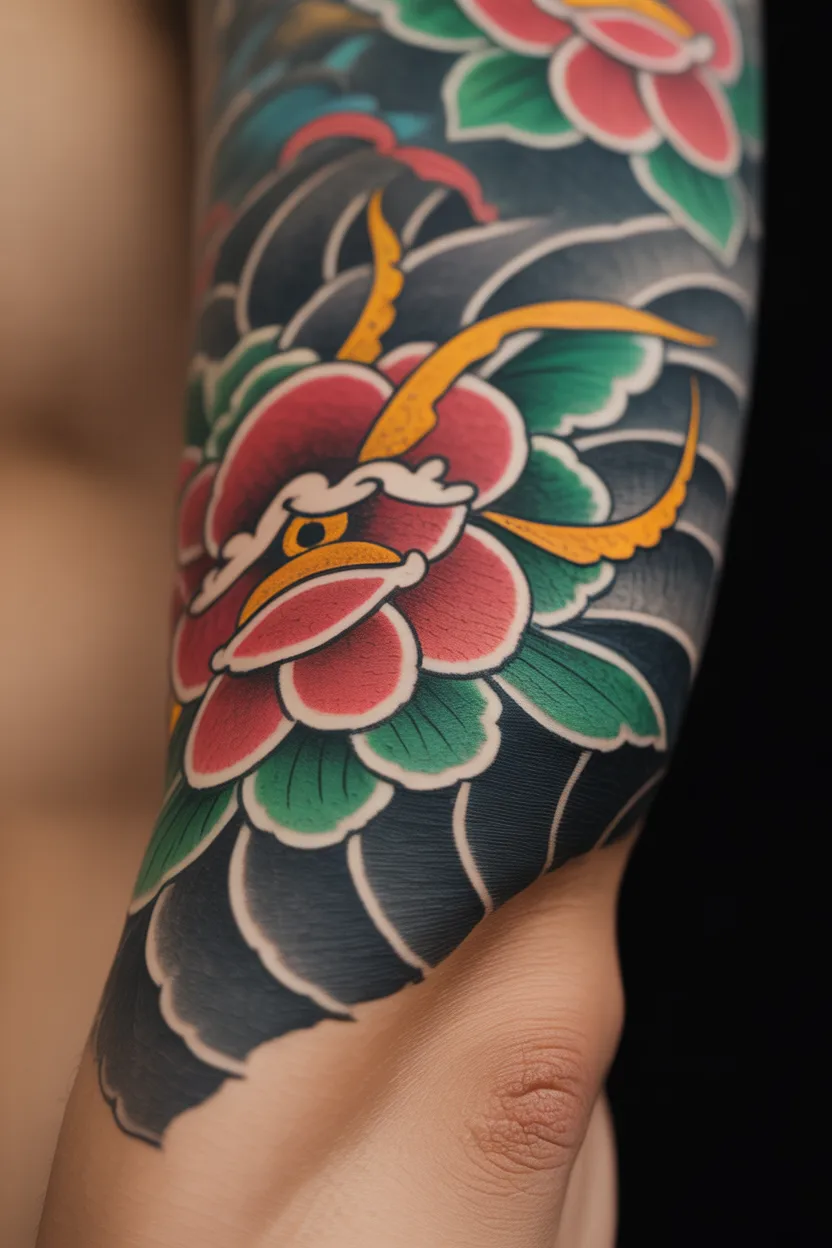
Many people assume hand tattooing must hurt more because it looks slower and more direct. In reality, some tebori artists and studios describe the sensation as less harsh than machine tattooing because there is less vibration and the motion is more controlled. The experience still involves pain, especially in the ribs, spine, stomach, and inner arm areas, but many clients describe it as pressure and rhythm rather than constant machine burn. Pain levels always depend on the person, placement, and session length.
The healing conversation is also important. Tebori is often praised for strong colour saturation, smoother gradients, and less visible trauma when performed by a skilled artist. Because the artist can feel the skin closely, they can respond to swelling, bleeding, and resistance during the session. That does not mean it is risk-free or automatically better than machine work. Safe technique, sterile tools, aftercare, and an experienced artist still matter more than romanticising the old method.
40 Men’s Biblical Tattoo Ideas That Feel Meaningful And Timeless
The Cost Of Tradition
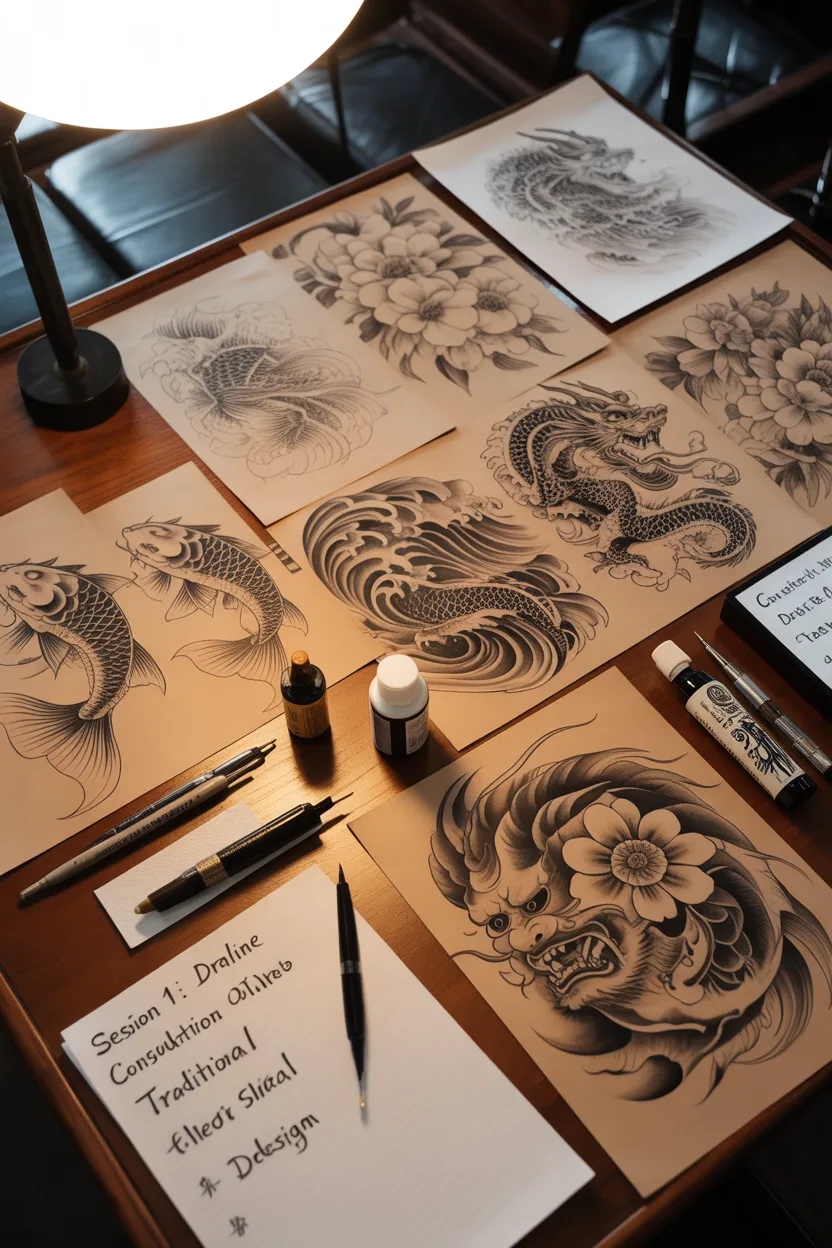
Traditional Japanese tattooing can be expensive because the client is paying for far more than the visible tattoo session. The cost includes years of artistic training, custom design work, slow application, cultural knowledge, and repeated appointments. Large-scale Japanese work can run into tens of thousands of dollars when the piece covers the back, arms, chest, and legs. A full bodysuit may also require long-term budgeting because the project continues across months or years.
This is why serious clients usually think beyond the first appointment. They consider travel, deposits, healing breaks, schedule consistency, touch-ups, and the artist’s reputation. A cheaper shortcut can easily lead to weak composition, incorrect symbolism, poor line weight, or colours that do not age well. Personally, I would treat this kind of tattoo like commissioning permanent artwork. The best result comes from choosing the right artist, not simply finding the fastest appointment or lowest price.
The Cultural Weight Behind Every Session
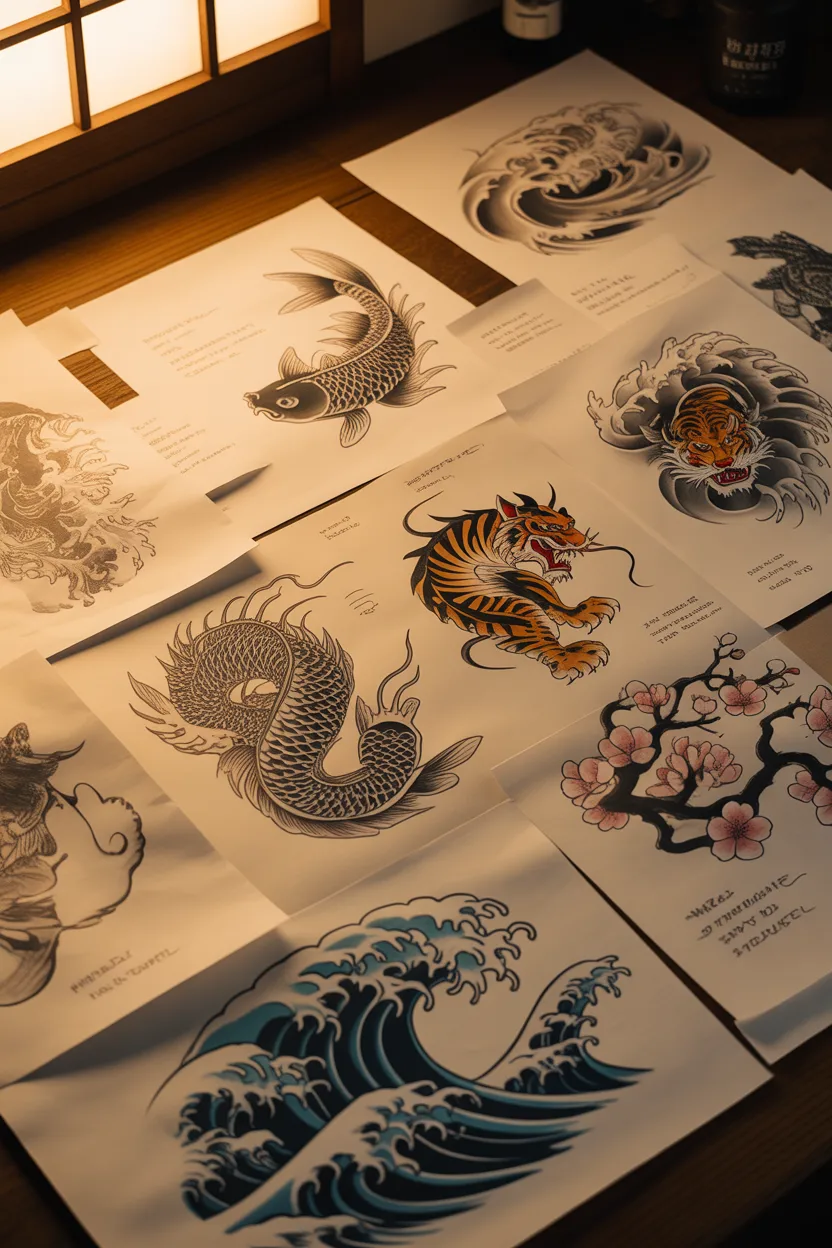
Traditional Japanese tattoos carry symbolism that should not be chosen casually. A koi fish can represent perseverance; a dragon may suggest wisdom or protection; cherry blossoms often connect to beauty and the temporary nature of life; and tigers may symbolise strength or courage. These motifs are not just decorative Pinterest elements. When used properly, they help create a visual story that connects with the wearer’s values, struggles, and personal identity.
The background matters too. Waves, wind bars, clouds, smoke, rocks, and flowers are used to connect the main subjects and guide the viewer’s eye across the body. Seasonal pairing also matters, as certain flowers and natural elements can change the tattoo’s meaning or mood. This is why consultation can take time before the first line begins. A strong Japanese tattoo needs balance, symbolism, and flow, not just a beautiful main image.
The Dying Art That Refuses To Die
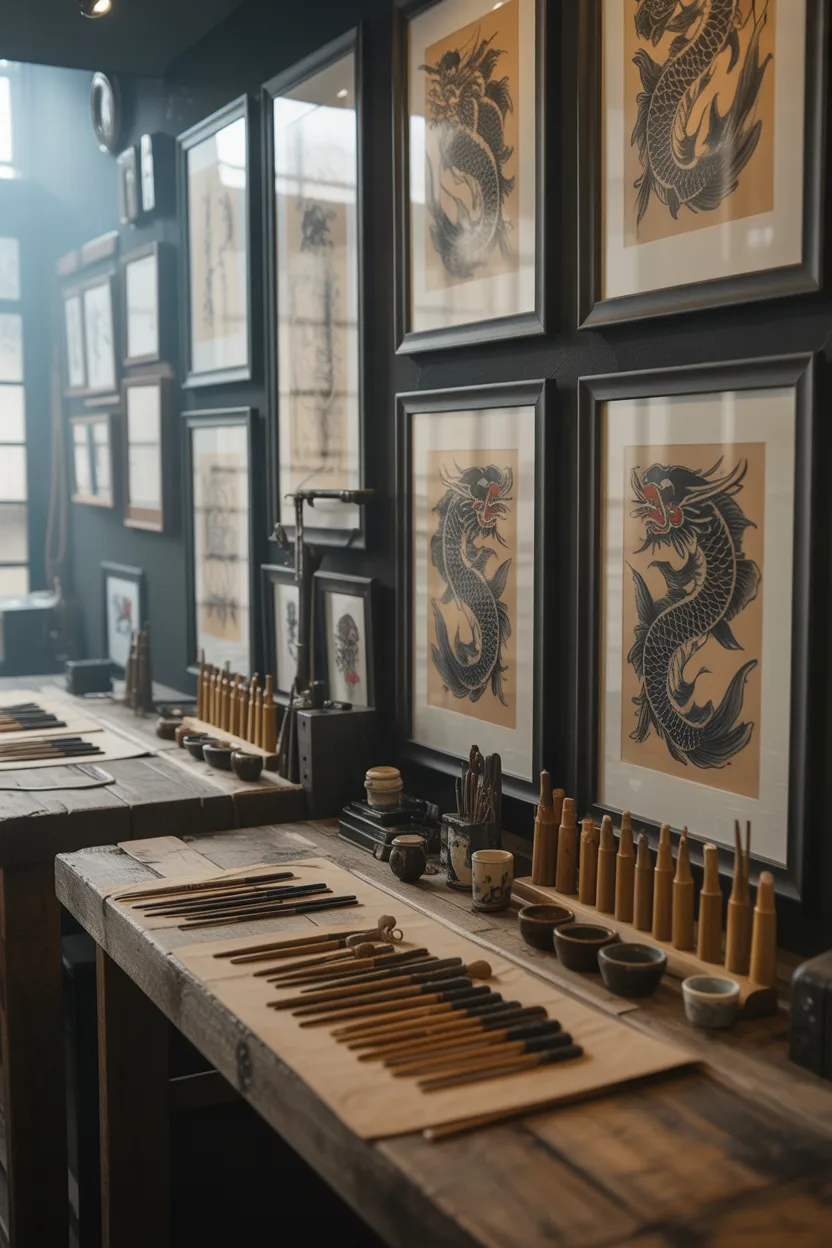
Traditional tebori has faced pressure from modern tattoo machines, social stigma, and legal uncertainty in Japan. For years, tattoo artists in Japan were affected by the argument that tattooing required a medical license. In 2020, Japan’s Supreme Court ruled that tattooing is not a medical practice under the Medical Practitioners’ Law, which was a major turning point for tattoo artists working without medical licenses.
Even with that legal shift, the tradition is still not something easy to access. Many respected artists keep a low profile, work through referrals, or have long waitlists. At the same time, the style has spread internationally, with more clients researching tebori, irezumi, and Japanese bodysuit work before committing. That mix of secrecy and global interest makes the art feel rare. It survives because artists and clients still believe some traditions are worth protecting slowly.
- 19 Classy Men’s Dinner Outfit Ideas That Never Miss
- 19 Men’s Casual Dinner Outfit Ideas That Look Sharp Without Trying Too Hard
- 22 Modern Cowboy Style Men’s Outfit Ideas That Bring Western Fashion Into Today
- 19 Men’s Zip Up Hoodie Outfits That Instantly Upgrade Your Casual Style
- 22 Sweater Vest Outfit Ideas For Men That Instantly Upgrade Your Style
Why Some Things Should Take Years
The reason traditional Japanese tattooing takes years is not simply because the method is slow. It takes years because the tattoo is built with patience, meaning, healing, trust, and discipline. A large Japanese tattoo becomes part of the wearer’s life even as it is being made. Each session adds another layer, and each healing period gives the body time to settle before the next stage begins. That timeline becomes part of the story.
So, guys, in this article, we’ve covered in detail why traditional Japanese tattooing takes years to complete. If you love Japanese tattoo ideas, tebori, dragons, koi fish, or full bodysuit inspiration, my personal recommendation is to research the artist deeply before starting. Choose someone who understands the culture, not just the look. Save your favourite ideas, study the meanings, and treat this tattoo style as a long-term commitment rather than a quick trend.




- Be Respectful
- Stay Relevant
- Stay Positive
- True Feedback
- Encourage Discussion
- Avoid Spamming
- No Fake News
- Don't Copy-Paste
- No Personal Attacks
- Be Respectful
- Stay Relevant
- Stay Positive
- True Feedback
- Encourage Discussion
- Avoid Spamming
- No Fake News
- Don't Copy-Paste
- No Personal Attacks
