How To Prevent Razor Burn Before It Starts
Published: May 13, 2026

Razor burn can make a clean shave feel like a mistake, especially when your skin turns red, tight, itchy, or uncomfortable afterward. The good news is that this problem is usually preventable when you treat shaving as part of a proper grooming routine rather than a quick task. Most irritation starts before the razor even touches your skin, which means small changes in preparation, blade choice, technique, and aftercare can make a major difference.
Learning how to prevent razor burn is not about using the most expensive products on the shelf. It is about understanding what your skin needs before, during, and after shaving. Dermatology sources commonly link razor burn with dry shaving, dull blades, shaving too quickly, and shaving against the direction of hair growth. Once you fix those basics, shaving becomes smoother, cleaner, and much less irritating.
What Actually Causes Razor Burn
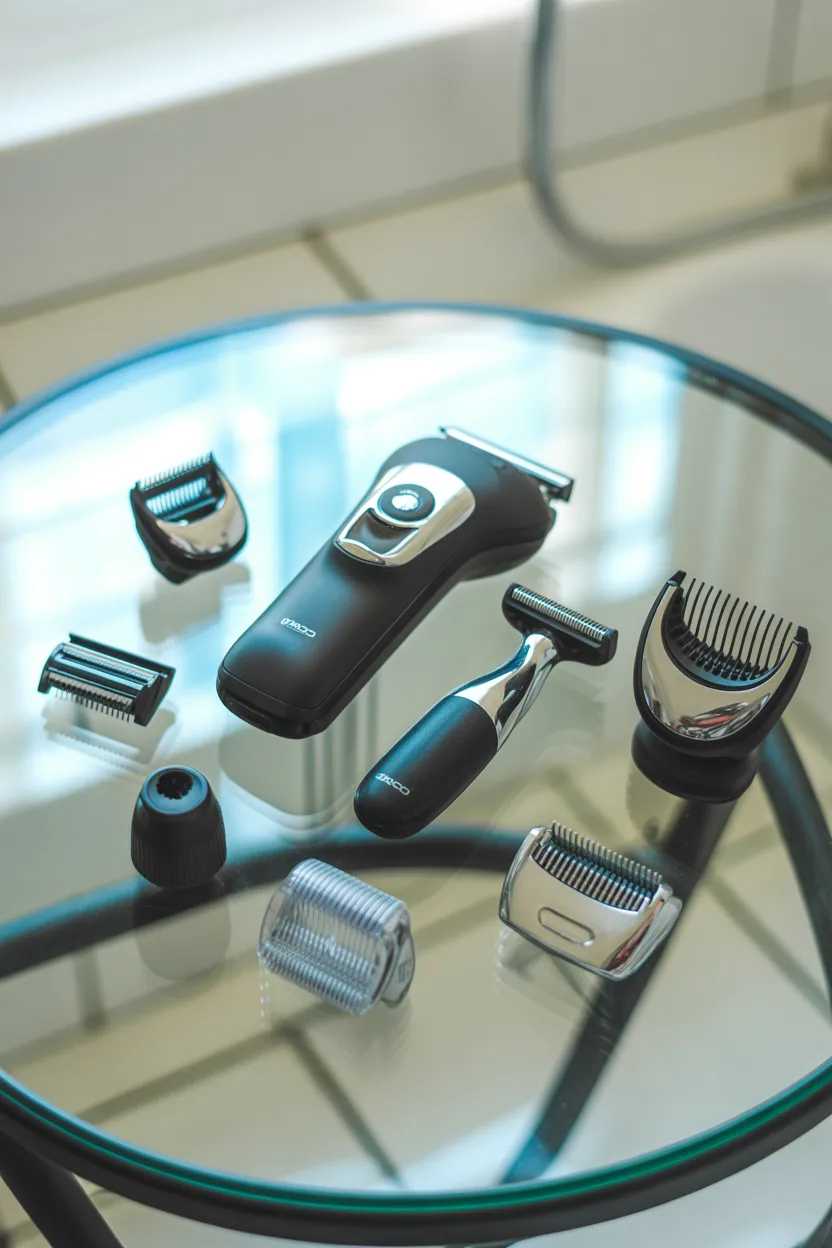
Razor burn occurs when shaving causes excessive friction on your skin. Instead of simply cutting hair, the razor starts to scrape, tug, and disrupt the skin barrier. This can lead to redness, burning, itching, small bumps, or a raw feeling after shaving. For many men, the issue is not just sensitive skin. It is often a combination of poor preparation, old blades, heavy pressure, and rushed technique.
Every shaving stroke removes more than hair. It also affects the outermost layer of skin, especially when the blade is dull or the skin is dry. When there is insufficient lubrication, the razor drags rather than glides. That drag creates tiny points of irritation that can feel worse over the next few hours. Once you understand that razor burn is mostly caused by friction, prevention becomes much easier.
The Pre-Shave Routine That Changes Everything
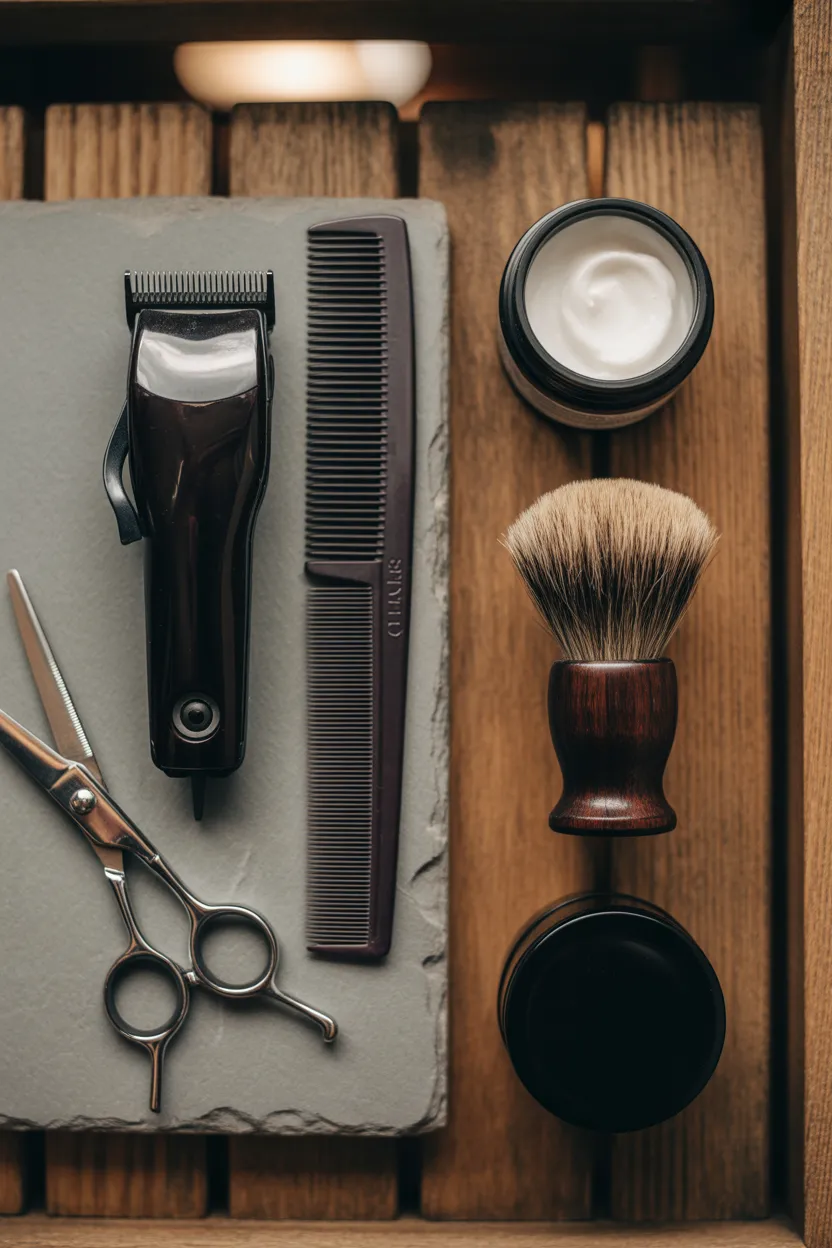
The best shave starts before you pick up the razor. If you shave dry, cold, or unprepared skin, you are asking the blade to work harder than it should. A simple pre-shave routine softens the hair, relaxes the skin, and creates a smoother surface for the razor. This is why shaving after a warm shower often feels better than shaving quickly over the sink.
I have found that men usually improve their shaving the fastest when they stop treating preparation as optional. Even two or three extra minutes can reduce tugging and irritation. Think of it like preparing fabric before ironing. If the surface is softened and ready, everything moves more smoothly. Your skin works the same way, especially around the neck, jawline, and upper lip.
Hydration Is Non-Negotiable
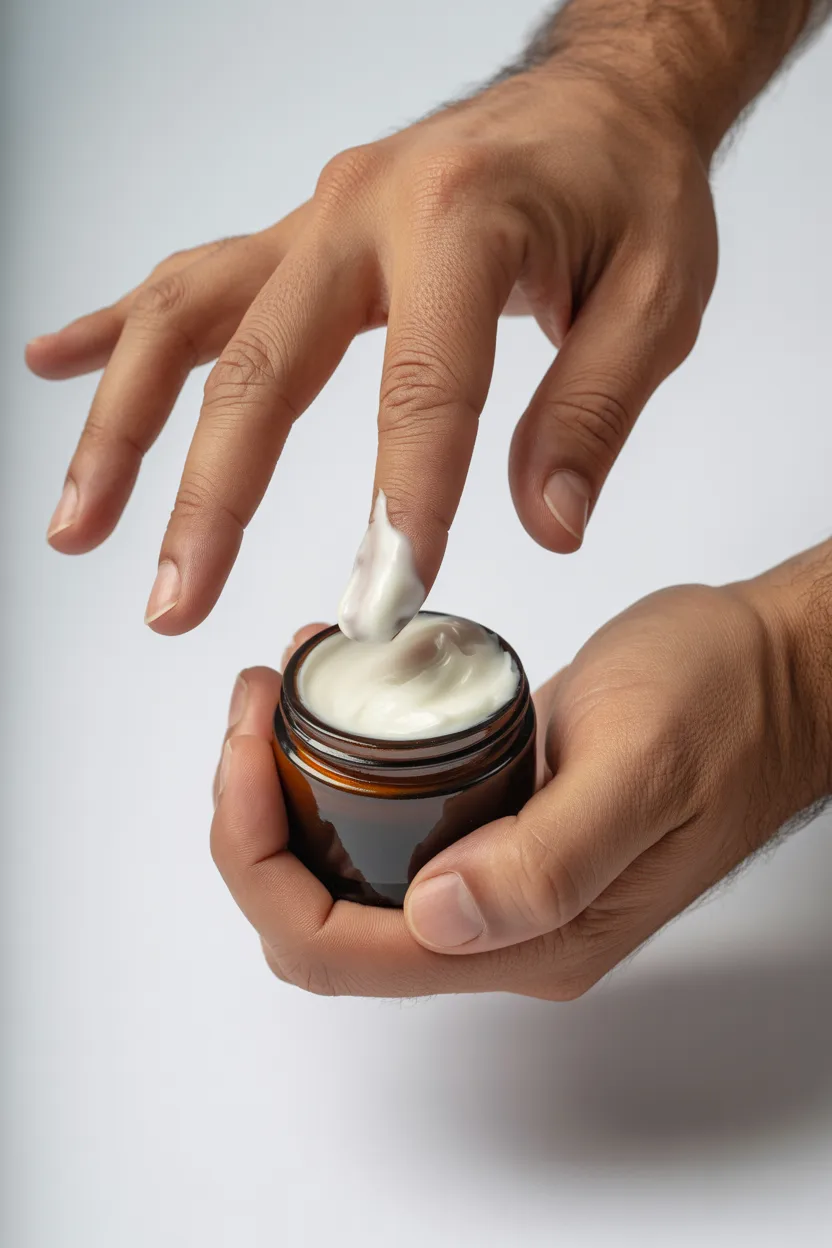
Hydration is one of the most important steps for preventing razor burn. Warm water helps soften facial hair so the blade can cut through it more easily. The American Academy of Dermatology recommends shaving when hair is soft, such as after a shower or after holding a warm, damp washcloth on the skin. This simple step reduces pulling, which is one of the biggest causes of irritation.
If you cannot shower before shaving, use a warm towel on your face for several minutes. Pay extra attention to coarse areas like the chin and neck because those spots often need more softening. Avoid using very hot water, though, because it can strip natural oils and make your skin feel dry afterward. Warm, steady hydration is enough to prepare the skin without weakening its comfort barrier.
The Exfoliation Debate
Exfoliation can help create a smoother shave, but it needs to be done carefully. The goal is to remove dead skin cells and buildup that can trap hair or clog the razor. When used properly, gentle exfoliation may help the blade move more evenly across the skin. However, scrubbing aggressively right before shaving can make the skin more sensitive and increase the chance of redness.
A better approach is to exfoliate lightly a few times per week, not before every shave. Choose gentle chemical exfoliants or mild cleansers instead of rough scrubs if your skin reacts easily. Ingredients like salicylic acid or glycolic acid can help with buildup, but they should not be overused. Your skin still needs a protective barrier during shaving, so exfoliation should support your routine, not attack it.
7 Things To Know Before Lasering Your Beard Off
Your Razor Blade rather than More Than You Think
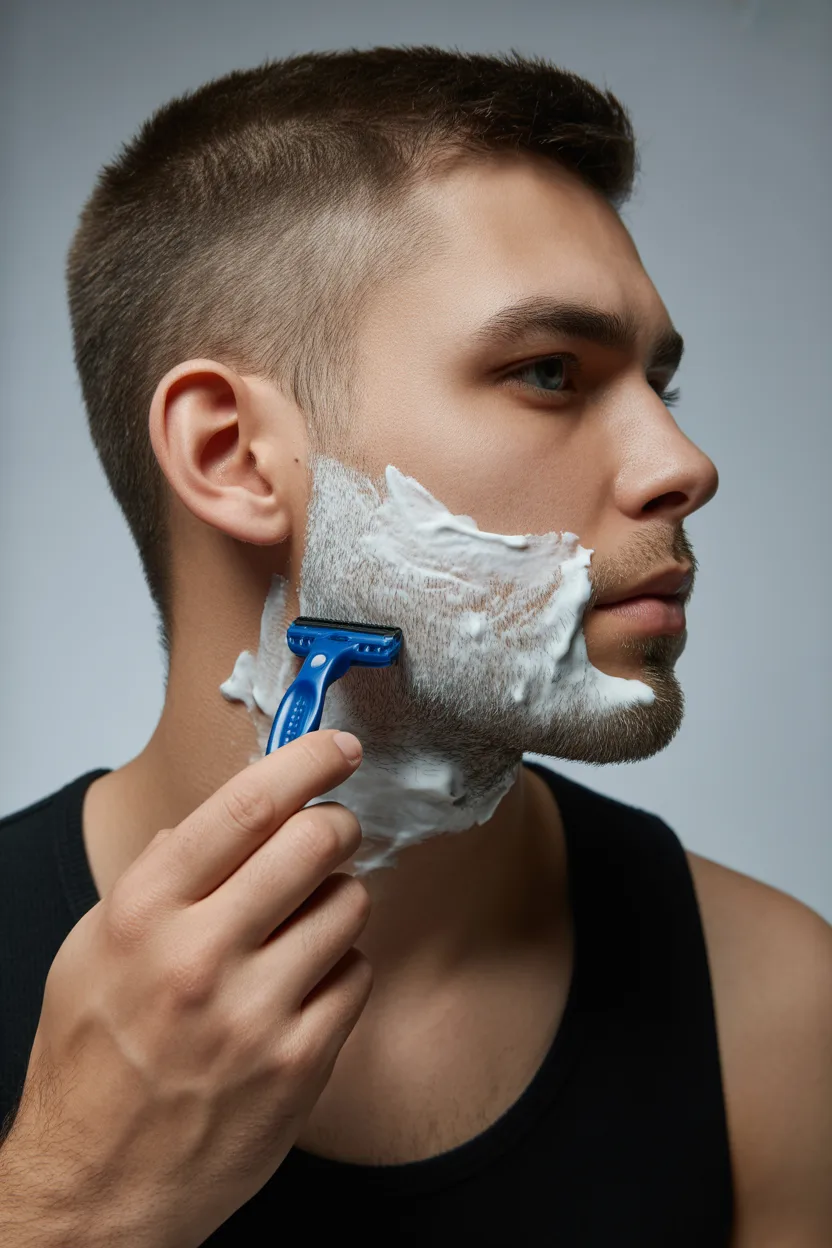
A dull razor is one of the fastest ways to trigger razor burn. When the blade loses sharpness, it stops slicing hair cleanly and starts pulling it. That pulling forces the skin to move with the hair, creating irritation and tiny surface damage. Many men blame their shaving cream or skin type when the real problem is the blade they have been using for too long.
Your razor should feel smooth from the first stroke. If you feel tugging, scraping, or uneven cutting, the blade is no longer doing its job properly. Clean shaving should not require force. A sharp blade, used with light pressure and good lubrication, should move comfortably across the skin. Once the razor starts feeling rough, replacing it is usually cheaper and easier than treating irritated skin later.
The Replacement Timeline
There is no perfect replacement schedule for every man because shaving frequency, hair thickness, and blade type all matter. However, if you shave often, you should not use the same blade for weeks without checking it. A blade that works well for fine hair may dull much faster on thick, coarse, or dense facial hair. The more resistance you feel, the more likely you are to feel irritation.
Watch for clear signs that your blade needs replacing. If it pulls hair, leaves patchy areas, feels rough, or causes more redness than usual, change it. Rust, discoloration, or visible damage are also signs that it should be thrown away. A fresh blade is not just about getting a closer shave. It is about reducing friction, avoiding repeated strokes, and keeping your skin calmer.
The Multi-Blade Myth
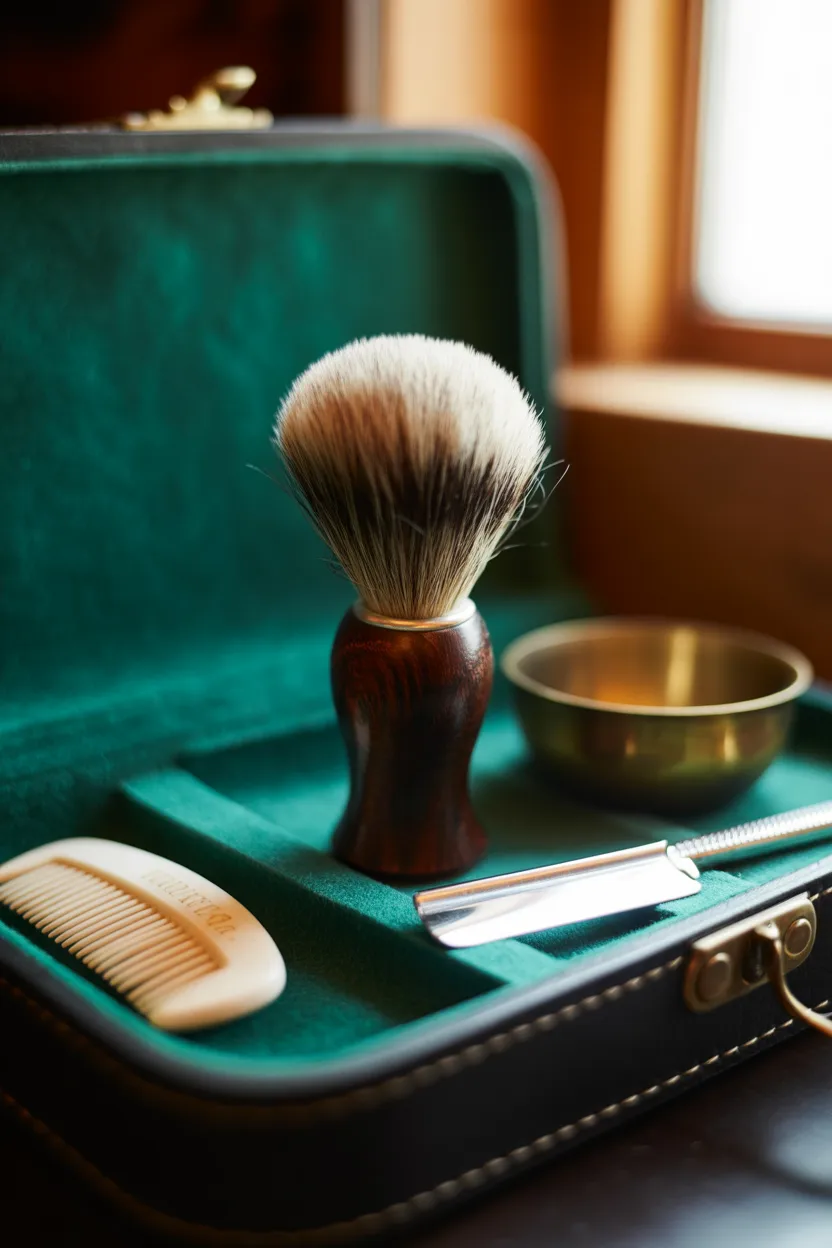
More blades do not always mean a better shave. Multi-blade razors can give a close result, but they may also increase friction because several blades pass over the same area at once. For some men, especially those with sensitive skin or curly facial hair, this can lead to more irritation, bumps, and discomfort around the neck. A close shave is not helpful if your skin feels inflamed afterward.
If you often get razor burn, try simplifying your razor setup. A quality two-, three-, or single-blade safety razor may feel gentler than a cartridge razor with many blades. The best razor is the one that cuts cleanly without forcing you to press hard. Comfort should come before maximum closeness, especially if you shave every day or have a history of irritation.
How To Apply Cologne The Right Way So You Smell Good
Shaving Technique: The Grain Direction Rules
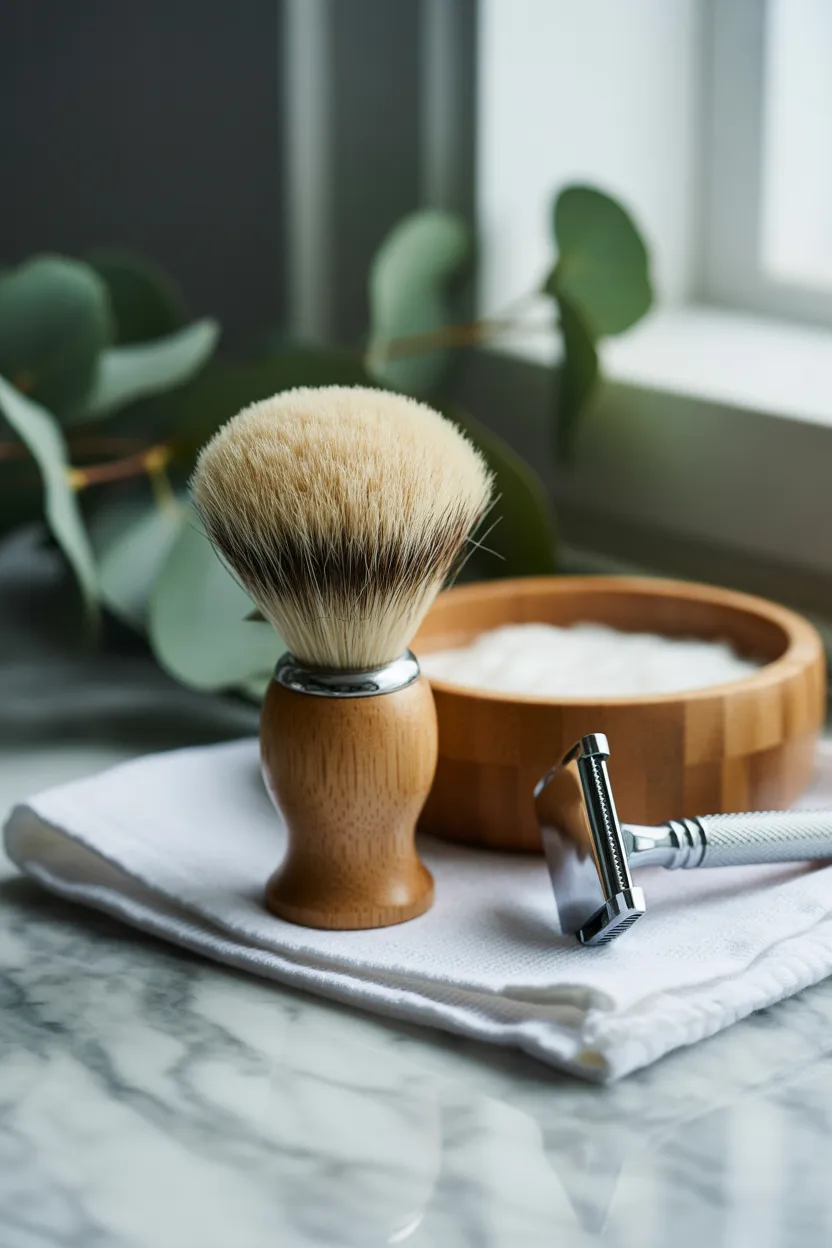
Your shaving direction matters more than most men realize. Facial hair does not grow the same way across the entire face. Cheeks may grow downward, the jawline may angle sideways, and neck hair may grow in mixed directions. If you shave against these patterns too aggressively, the blade pulls hair upward before cutting it, which can irritate the skin and increase the risk of bumps.
Good technique starts with knowing your own hair growth pattern. Instead of copying one general shaving direction, study your face. Let your stubble grow for a day or two, then feel it with your fingers. The direction that feels smoother is usually with the grain. The direction that feels rough or scratchy is against the grain. Once you know this map, shaving becomes much easier.
Understanding Your Grain
Mapping your grain is especially important if your neck often gets razor burn. Many men assume neck hair grows downward like cheek hair, but it often grows upward, sideways, or in several directions at once. This is why the neck can feel irritated even when the cheeks look fine. Shaving the neck without understanding its pattern usually leads to repeated passes and unnecessary pressure.
Take a few minutes to look closely in good lighting. Notice how the hair changes direction under the jaw, near the Adam’s apple, and along the sides of the neck. You can even use your fingers to feel which way the hair lies. Once you understand the pattern, shave each section in its natural direction rather than treating the whole face the same way.
The With-The-Grain Advantage
Shaving with the grain is one of the most reliable ways to prevent razor burn. It may not create the absolute closest shave on the first pass, but it greatly reduces tugging and surface irritation. The American Academy of Dermatology recommends shaving in the direction hair grows to reduce irritation and razor bumps. For many men, this single change makes the biggest difference.
If you want a closer finish, do not jump straight to shaving against the grain. Instead, make a second pass across the grain after reapplying shaving cream. This gives a cleaner look without putting as much stress on the skin. Save against-the-grain shaving for areas that tolerate it well. If one area always burns afterward, your skin is telling you to change direction.
Pressure And Stroke Technique
Pressing harder does not give you a better shave. It usually creates more friction, removes more surface skin cells, and increases irritation. Let the razor do the work. Your hand should guide the blade, not force it into the skin. short, light strokes are better than long, heavy ones because they give you more control around curves and sensitive areas.
Rinse your razor frequently while shaving so hair, cream, and dead skin do not clog the blades. A clogged razor drags more and cuts less effectively. Avoid shaving the same spot repeatedly without adding more shaving cream. Each extra pass increases irritation risk. If you miss a small area, reapply product first, then make one gentle stroke instead of scraping over dry skin.
The Product Selection That Prevents Problems
The right shaving products create a cushion between your skin and the blade. Without that barrier, even a sharp razor can feel harsh. A good product helps the blade glide, keeps the hair soft, and reduces friction. This matters even more if your skin is dry, sensitive, acne-prone, or easily irritated after grooming. Product choice should be based on comfort, not just scent.
Avoid shaving with plain soap if it leaves your skin tight or dry. Many regular soaps remove oil without providing enough glide. A proper shaving cream, gel, or lotion is designed to stay slippery while the razor moves. Look for calming, moisturizing formulas that support the skin barrier. The smoother the blade moves, the less your skin has to recover afterward.
Shaving Cream Essentials
A good shaving cream should feel rich, protective, and easy to spread. It should not disappear after one stroke or leave your skin exposed. The American Academy of Dermatology recommends using a moisturizing shaving cream during shaving to help reduce irritation. Ingredients like glycerin, aloe vera, and skin-softening oils can help create the slip your razor needs.
Fragrance-free products are often better for men who get razor burn easily. Fragrance may smell nice, but it can bother freshly shaved skin, especially around the neck. Apply enough shaving cream to cover the area fully. If you can clearly see skin through the layer, you probably need more product. A thicker cushion protects your face and helps prevent the razor from dragging.
Post-Shave Care
Post-shave care should calm and rebuild the skin barrier. After shaving, rinse with cool water to remove leftover cream and help the skin feel less heated. Then apply a gentle moisturizer or soothing aftershave that does not contain harsh alcohol. Cleveland Clinic notes that cold compresses and soothing products like aloe vera can help ease razor burn discomfort.
Choose moisturizers with calming and barrier-supporting ingredients. Ceramides, aloe, glycerin, and fragrance-free formulas are useful options for many skin types. Avoid strong acids, retinoids, heavy fragrances, or alcohol-based splashes immediately after shaving, as freshly shaved skin is more vulnerable. The goal is not to make your face sting and feel “clean.” The goal is to restore comfort, reduce dryness, and prevent irritation from getting worse.
- 19 Classy Men’s Dinner Outfit Ideas That Never Miss
- 19 Men’s Casual Dinner Outfit Ideas That Look Sharp Without Trying Too Hard
- 22 Modern Cowboy Style Men’s Outfit Ideas That Bring Western Fashion Into Today
- 19 Men’s Zip Up Hoodie Outfits That Instantly Upgrade Your Casual Style
- 22 Sweater Vest Outfit Ideas For Men That Instantly Upgrade Your Style
Razor Storage And Maintenance
How you store your razor affects your next shave. Leaving it wet, clogged, or sitting in the shower can shorten blade life and make every shave rougher. Moisture can encourage rust and buildup, while trapped hair and shaving cream can reduce blade performance. A razor that looks clean from a distance may still have debris between the blades.
After each shave, rinse your razor thoroughly under running water. Shake off any excess water and place it somewhere with air circulation. Do not leave it for good, or leave it down in a puddle or inside a closed, damp container. Good razor maintenance is not complicated, but it does require consistency. A clean, dry razor stays sharper longer and feels smoother on the skin.
Proper Storage Prevents Problems
The bathroom shower is one of the worst places to store a razor long term because it stays humid. long-term, the blade looks fine; constant moisture can dull it faster and make it less comfortable. Store your razor outside the shower when possible. A dry shelf, cabinet, or razor stand is usually better than a wet ledge near soap and shampoo.
Make sure the blade area can dry between uses. If your razor has a protective cover, use it only after the blade has dried properly. Covering a wet blade can trap moisture. This small habit helps prevent rust, buildup, and rough shaving. When your razor stays clean and dry, you are less likely to drag an irritated blade across your face.
Cleaning Best Practices
Gently clean your razor instead of banging it against the sink. Tapping can damage the blade edge or loosen parts of the cartridge, which may make the razor feel rougher. Rinsing under steady water is usually enough. If hair is stuck, use water pressure or a soft brush to remove buildup carefully. The goal is to clean it carefully without damaging it.
Do not share razors with anyone else. A razor is a personal grooming tool, and sharing it can increase the risk of irritation and hygiene issues. Replace blades regularly, especially if they look dirty or feel dull. You do not need a complicated cleaning ritual. You simply need a clean blade, good rinsing habits, proper drying, and timely replacement.
When Razor Burn Happens Anyway
Even with a good routine, razor burn can still happen sometimes. Maybe you shaved too quickly, used an old blade, skipped moisturizer, or had to shave over already sensitive skin. Occasional irritation does not mean your entire routine is wrong. It means your skin needs time to recover before the next shave. The worst thing you can do is keep shaving over irritated skin.
When razor burn appears, focus on calming the area rather than aggressively fixing it with aggressive rubs, strong aftershaves, heavy fragrance, or repeated shaving until the skin feels normal again. Treat the area gently and give it time. Most mild razor burn improves with simple care, but frequent or severe irritation may need a different shaving method or professional advice.
Immediate Relief Strategies
Start with a cool compress if your skin feels hot, red, or irritated. Hold a clean, cool cloth against the area for several minutes. This can help reduce the burning feeling and calm the skin. Aloe vera gel can also feel soothing, especially when the skin feels dry or tight. Keep the product simple and avoid formulas with strong fragrance.
Moisturize the area with a gentle, fragrance-free product to support the skin barrier. Avoid shaving again until the irritation settles. If you must shave for work or an event, use extra lubrication, a fresh blade, and very light pressure. However, giving your skin a break is usually the better option. Razor burn heals faster when you stop adding new friction.
When To Seek Professional Help
If razor burn happens after almost every shave, it may be time to speak with a dermatologist. Persistent irritation can sometimes be confused with razor bumps, acne, eczema, or other skin conditions. Another option: identify the real cause and recommend the right treatment. This is especially important if you notice swelling, pus, intense pain, or irritation that does not improve.
You should also get advice if your job requires frequent shaving and your skin cannot tolerate it. A dermatologist may suggest different products, prescription treatments, electric shaving, or changes based on your hair type and skin sensitivity. There is no reason to keep forcing the same routine if it continues to damage your skin; a shave should be possible with the right approach.
- 19 Classy Men’s Dinner Outfit Ideas That Never Miss
- 19 Men’s Casual Dinner Outfit Ideas That Look Sharp Without Trying Too Hard
- 22 Modern Cowboy Style Men’s Outfit Ideas That Bring Western Fashion Into Today
- 19 Men’s Zip Up Hoodie Outfits That Instantly Upgrade Your Casual Style
- 22 Sweater Vest Outfit Ideas For Men That Instantly Upgrade Your Style
Conclusion On Prevention
Preventing razor burn comes down to respecting your skin before, during, and after shaving. Hydrate the skin, use a sharp clean blade, apply enough shaving cream, shave with the grain, use light pressure, and moisturise afterwards. These moisturize afterward, but they work by reducing the friction that causes most irritation in the first place.
The cleanest shave is not always the closest shave. It is the shave that leaves your skin calm, smooth, and comfortable hours later. Once you build better habits, razor burn stops and no longer feels possible. Start with preparation, replace dull blades, learn your grain pattern, and protect your skin after every shave. Small changes can completely transform the way your face feels.




- Be Respectful
- Stay Relevant
- Stay Positive
- True Feedback
- Encourage Discussion
- Avoid Spamming
- No Fake News
- Don't Copy-Paste
- No Personal Attacks
- Be Respectful
- Stay Relevant
- Stay Positive
- True Feedback
- Encourage Discussion
- Avoid Spamming
- No Fake News
- Don't Copy-Paste
- No Personal Attacks
