18 70s Shag Haircut Ideas for Men That Bring Retro Cool Back
Published: July 17, 2026
The 70s shag is making a comeback for men who want a haircut with built-in personality, texture, and just the right amount of shaggy, undone edge. Unlike sharper modern cuts, the shag thrives on movement and layers, making it a great option for guys with naturally wavy or thick hair who don’t want to fight their texture. It works for a laid-back weekend look just as easily as it fits a rock-and-roll or vintage-inspired style, and it’s forgiving of growth between trims since a bit of shagginess is the whole point. Below are eighteen ways to wear the 70s shag today, each with a visual reference and styling notes so you can find the version that matches your hair and your look.
1. Classic 70s Shag

The classic 70s shag is built on heavily layered cutting techniques that create movement throughout the whole head rather than a single blunt shape. Length typically falls between the ears and the collar, with shorter layers on top blending into longer pieces below.
This version suits men with naturally wavy or textured hair, since the waves enhance the layered effect without extra styling. It’s an easy everyday look that only needs a quick tousle with the fingers to fall into place.
2. Curly Shag

curly hair is one of the best natural fits for the shag, since the curl pattern already provides the volume and movement the style is built around. Layers are cut throughout to let each curl fall independently instead of clumping into one shape.
This works especially well for men who want to embrace their natural texture fully, requiring little more than a curl-friendly product and air drying to maintain.
3. Shag with Fringe

Adding a heavy, layered fringe brings the retro shag silhouette fully into focus, framing the face with soft, wispy pieces instead of a blunt line. The fringe is cut with texturizing shears to keep it light rather than heavy.
This is a striking option for men who want their haircut to make an immediate visual statement, and it pairs especially well with straight to slightly wavy hair textures.
4. Mullet Shag
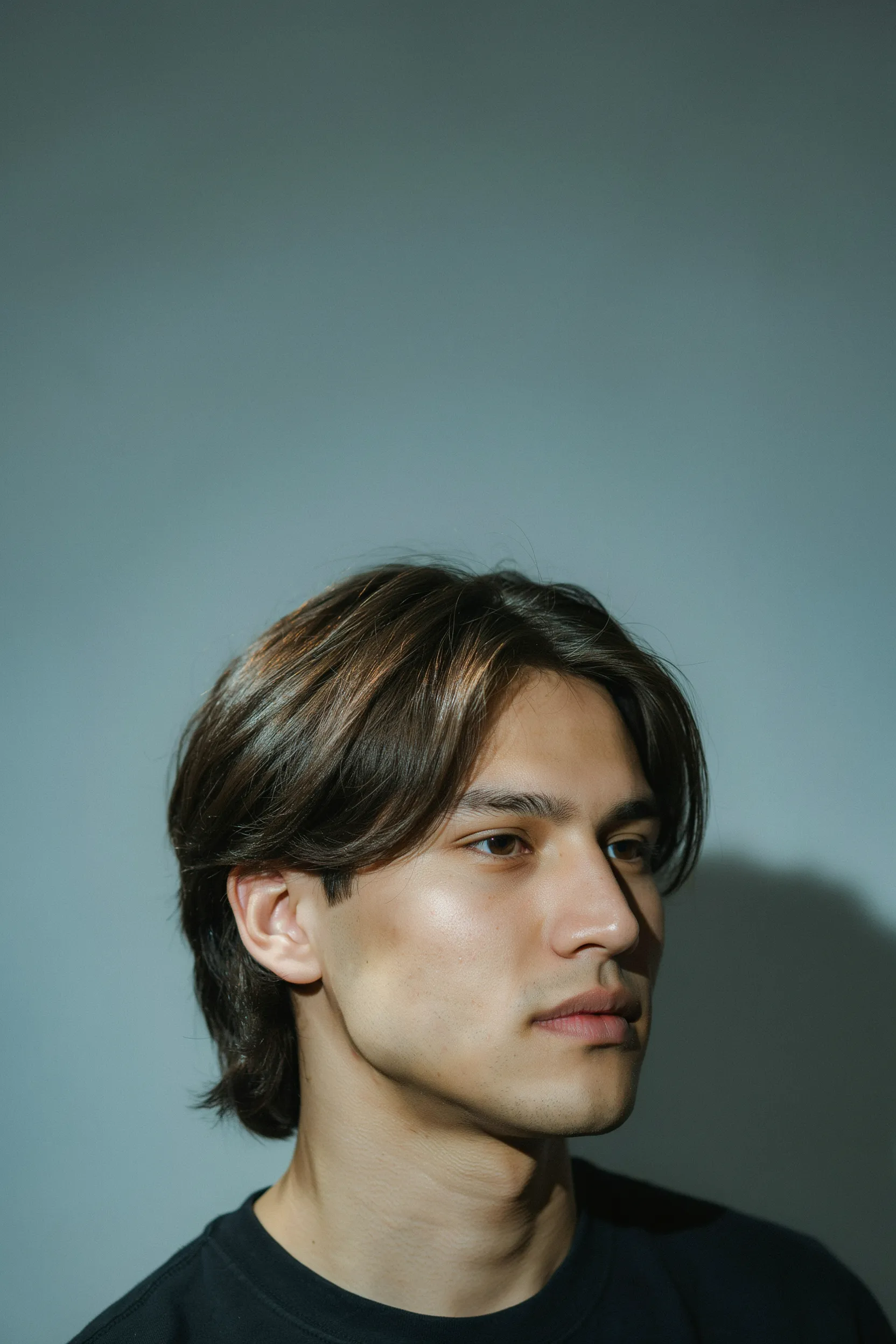
Blending a shag with a mullet keeps the top and sides shorter and heavily layered while letting the back grow longer and shaggier, creating a bold contrast between the front and back of the head. It’s one of the more daring interpretations of the retro trend.
This variation appeals to men who want to lean fully into the vintage rock aesthetic and don’t mind a haircut with a strong, attention-grabbing silhouette.
5. Long Shag
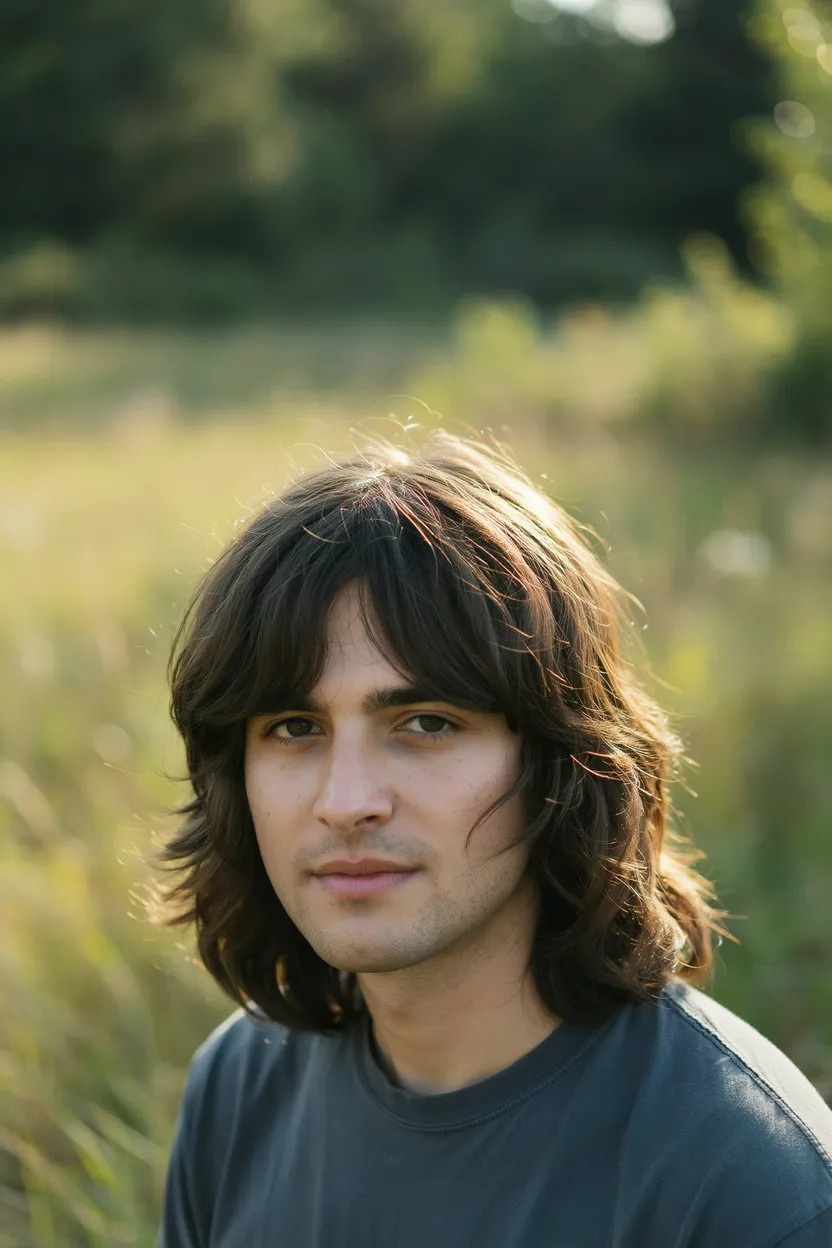
The long shag keeps the layered, textured concept but extends the overall length well past the collar, sometimes reaching the shoulders. Heavy layering throughout prevents the extra length from looking flat or heavy.
This is best suited to men who are already growing their hair out and want a shape that keeps it looking styled and intentional at every stage of growth.
6. Short Shag
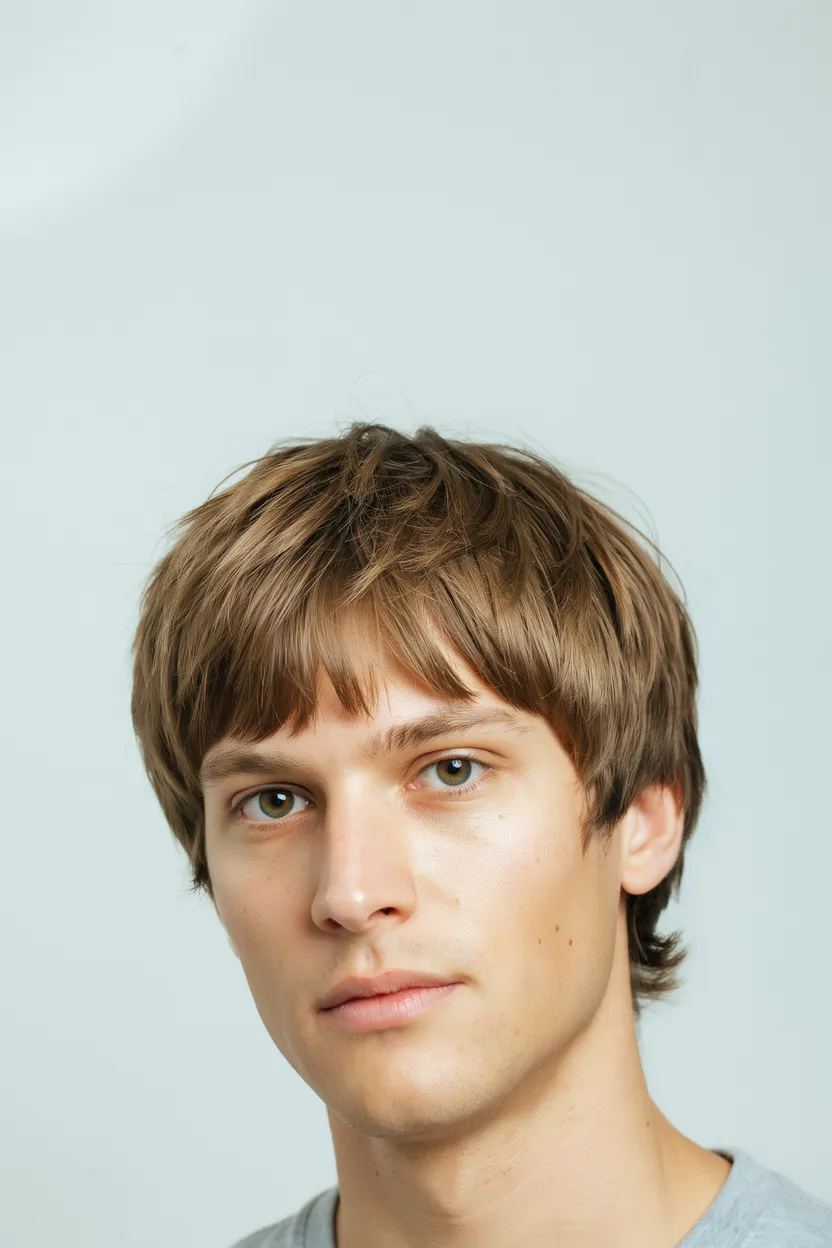
A short shag brings the layered texture and shaggy movement of the style into a much shorter overall length, making it more office-friendly while still nodding to the retro silhouette.
This is a great entry point for men who like the idea of the shag but aren’t ready to commit to the longer, more dramatic versions of the cut.
7. Shag with Sideburns
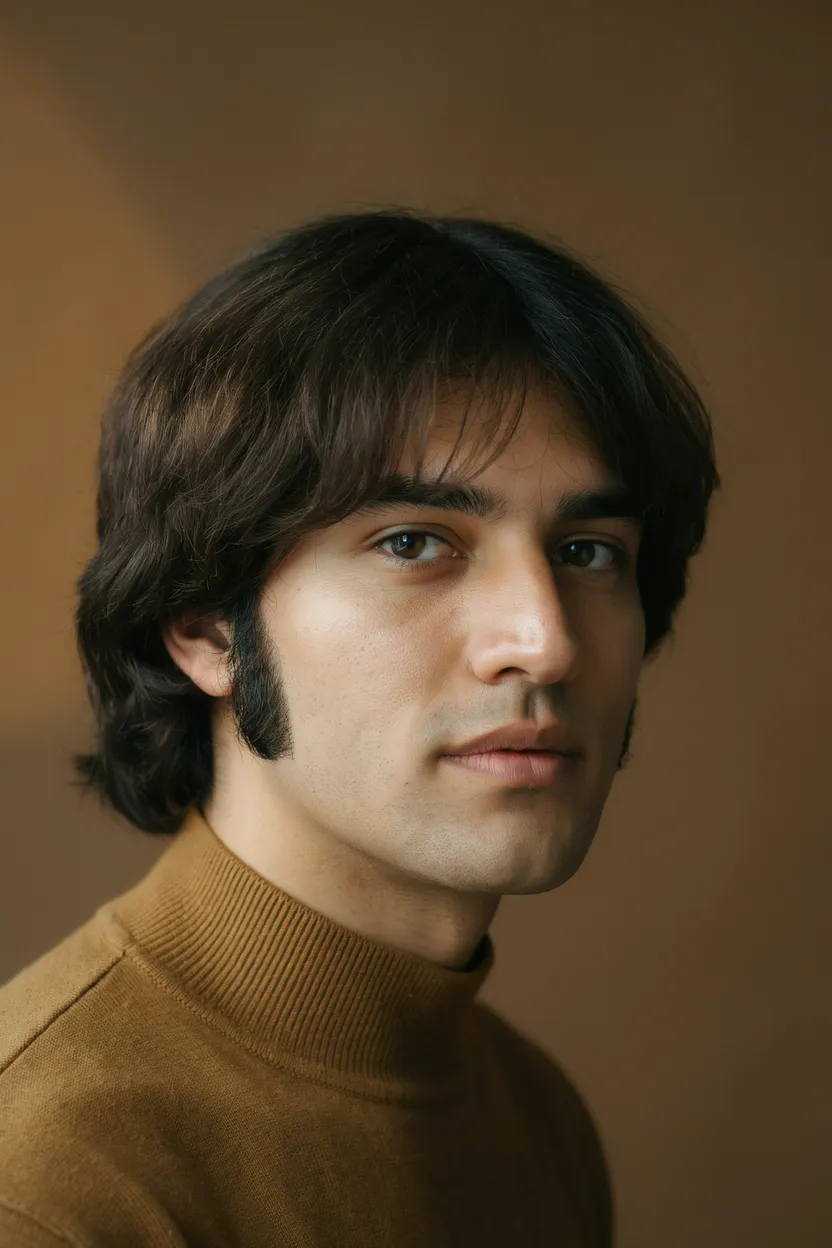
Growing out longer sideburns and blending them into the layered shag brings an authentic 70s edge to the overall look, connecting the hair and facial hair into one continuous shape.
This variation is a favorite among men who want a full retro package rather than just a haircut, often paired with vintage-inspired clothing and styling.
8. Feathered Shag
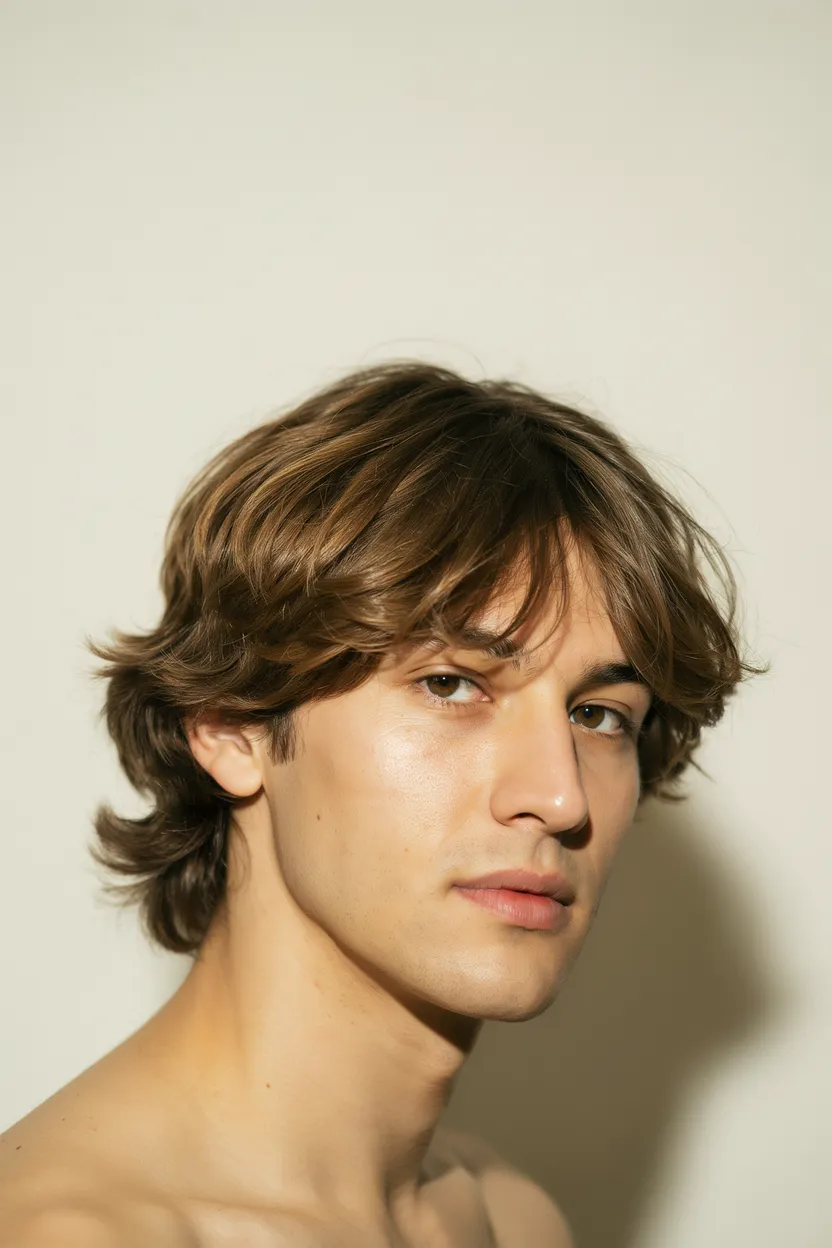
Feathering the layers so they flip slightly outward around the face is one of the most recognizable techniques from the original 70s era, usually achieved with a round brush and blow dryer.
This version requires a bit more active styling than other shags but delivers one of the most authentic vintage silhouettes on this list.
9. Wavy Shag

Natural waves add effortless texture to the layered shag shape, letting the hair fall into soft, undone waves without much styling effort beyond a texturizing spray.
This is one of the lowest-maintenance versions of the shag, ideal for men who want the retro look without a lengthy morning routine.
10. Shag for Thin Hair
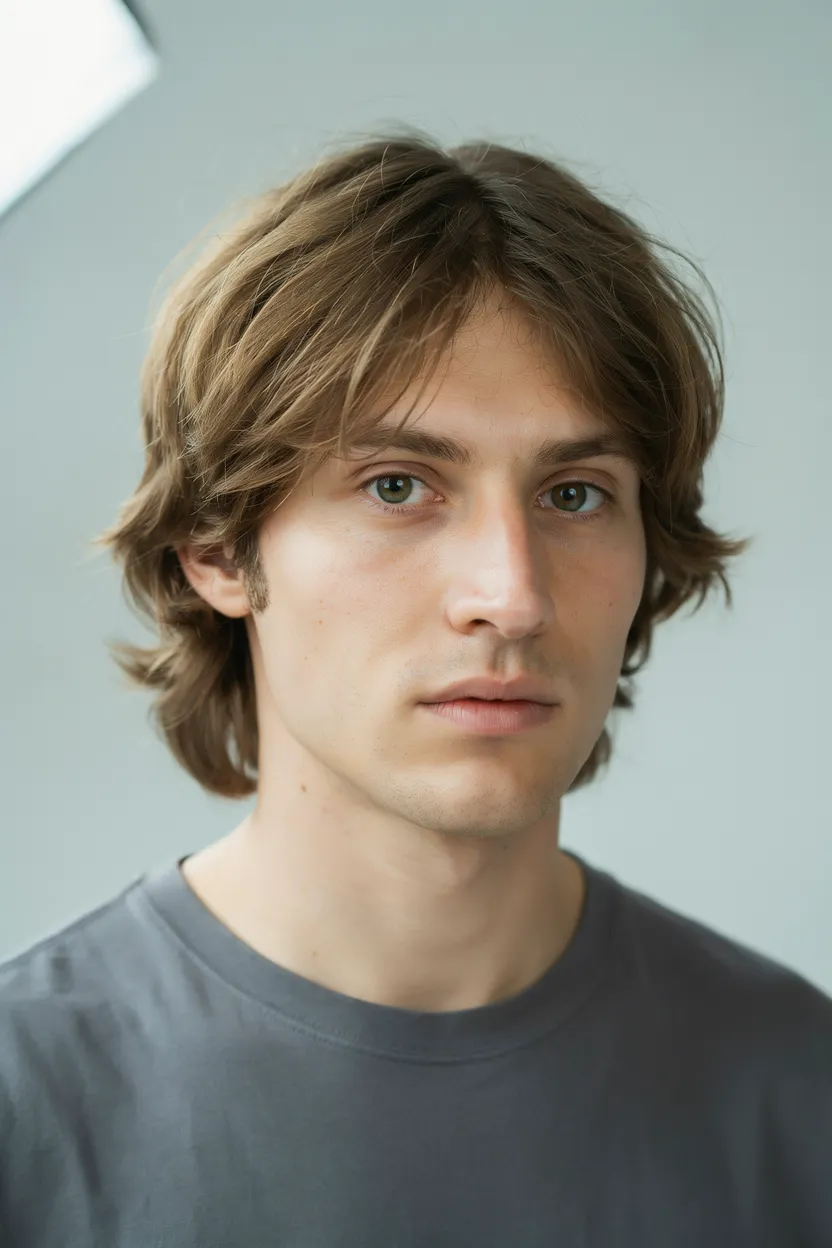
For thinner hair, lighter layering and a slightly shorter overall length help create the illusion of extra volume and density without leaving ends looking wispy or sparse.
This adaptation is ideal for men who love the shag silhouette but need a cut tailored to a finer hair texture.
11. Shag for Thick Hair
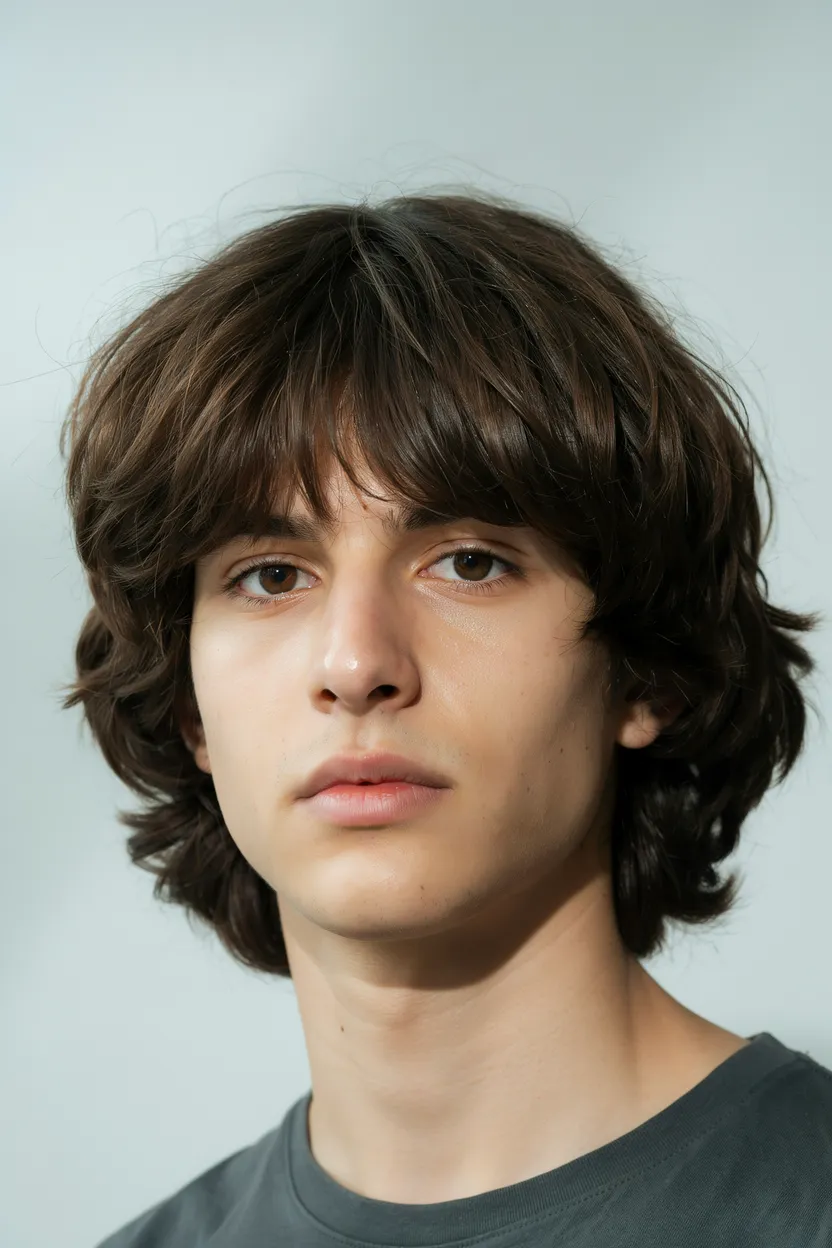
Thick hair carries the shag’s heavy layering especially well, since there’s enough density to support dramatic movement throughout the cut without needing extra volumizing products.
Men with thick hair often find this version reduces bulk while keeping plenty of texture, making it one of the most naturally flattering matches for the style.
12. Shag with Beard

Pairing a full beard with a shag haircut leans into the rugged, retro-rocker aesthetic the style is known for, with the beard and hair layers working together to frame the face.
This combination suits men who want a complete vintage-inspired look rather than treating the haircut as a standalone element.
13. Rock-Inspired Shag
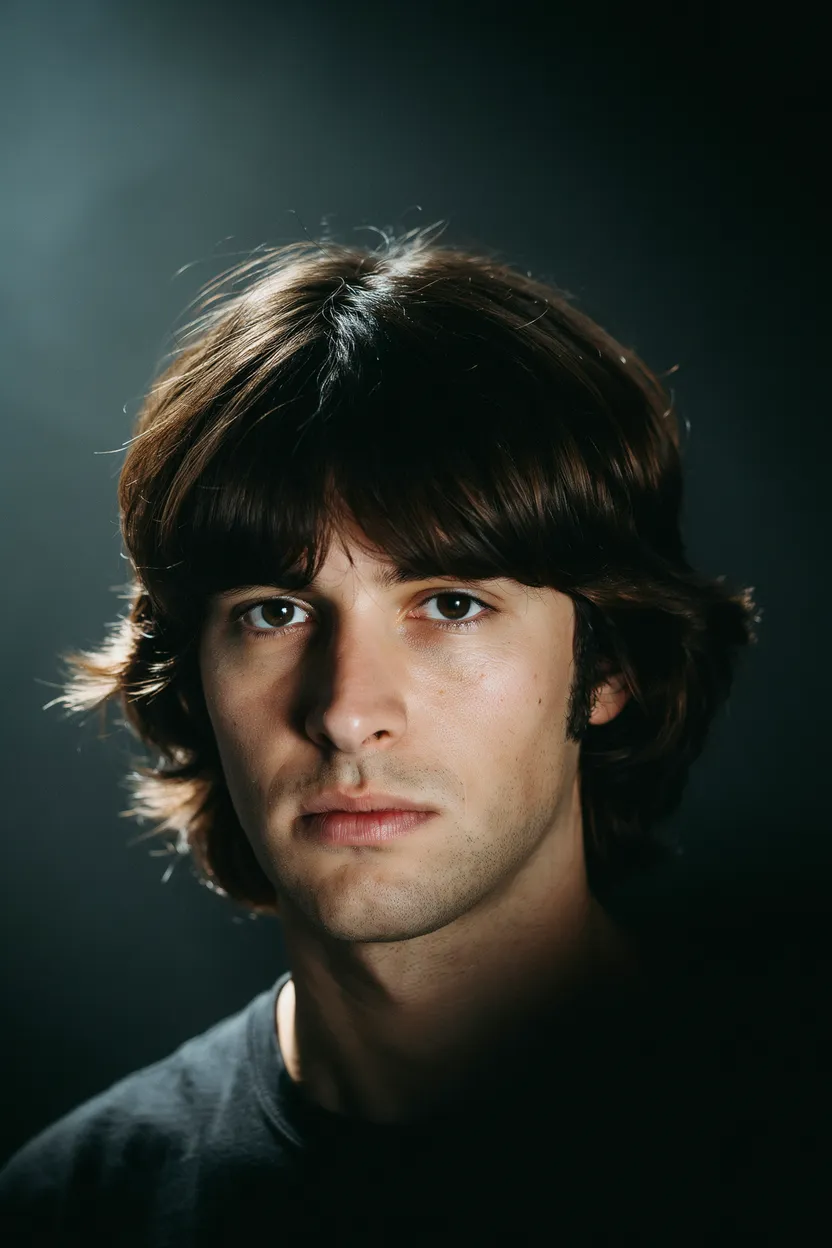
This bolder take on the shag adds extra volume and lift at the crown, echoing the dramatic, larger-than-life hairstyles associated with 70s rock culture.
It’s best suited to men who are comfortable with a more attention-grabbing style and don’t mind a bit of extra blow-drying to achieve the lift.
14. Blonde Shag
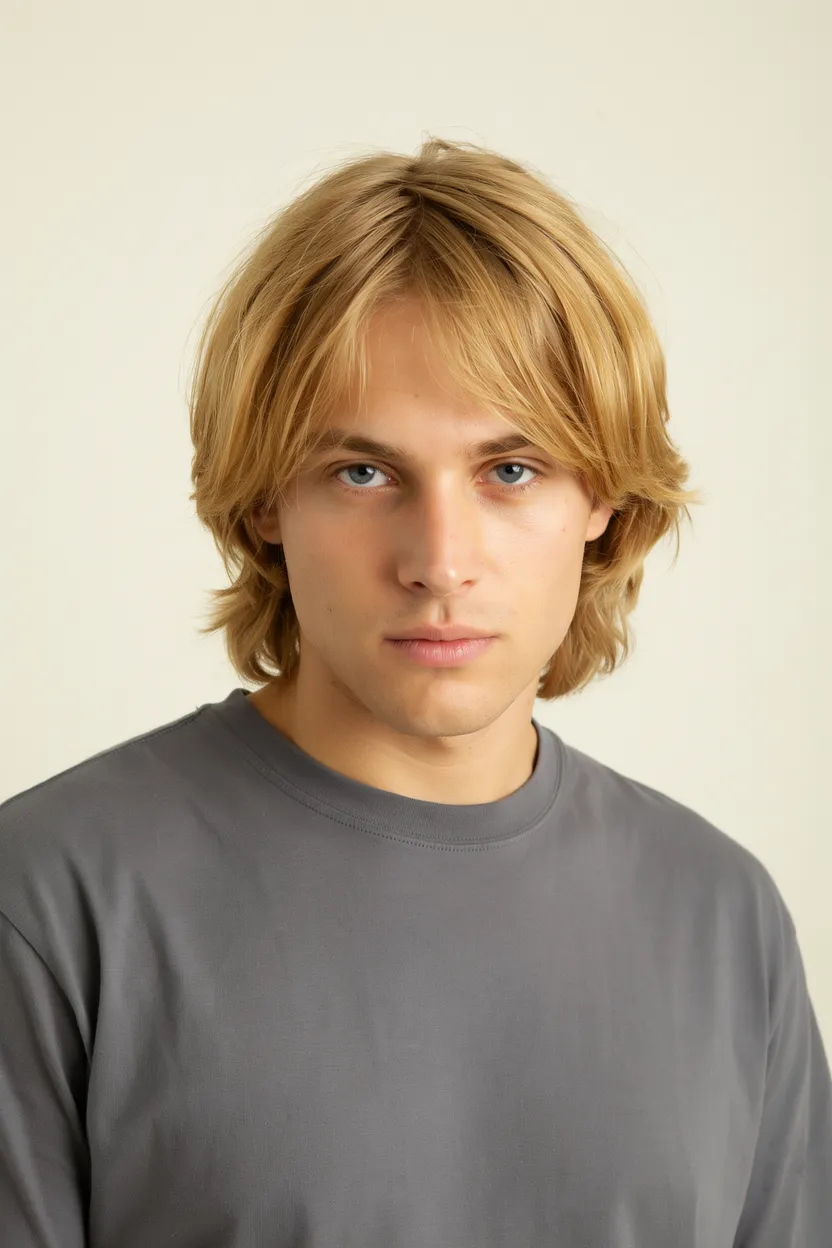
Lightening a shag to a warm golden blonde brings a sun-bleached, beachy quality to the retro cut, often achieved through balayage or an all-over color process.
This is a popular choice for men wanting to add a lighter, more casual dimension to the classic shag silhouette.
15. Layered Shag
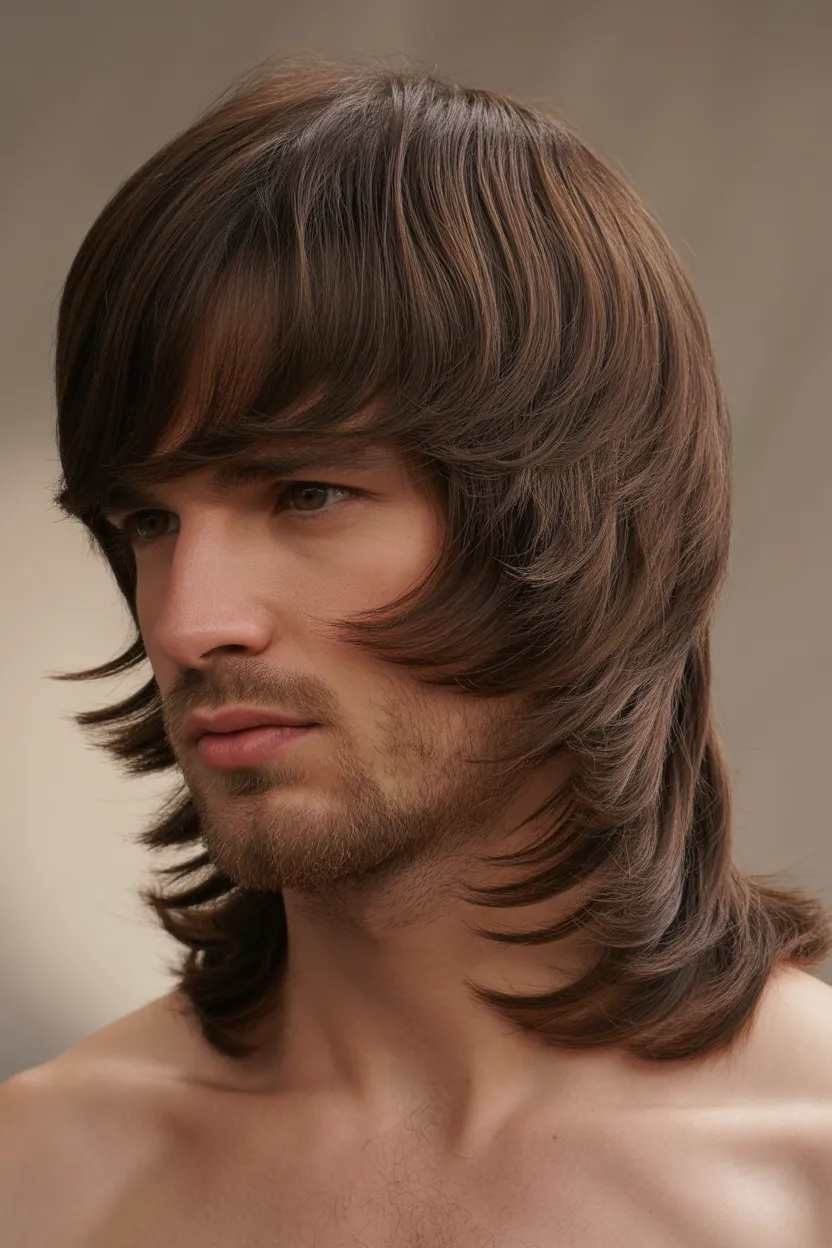
This version emphasizes the layering technique itself, with clearly visible steps between each length rather than a softly blended transition. It creates a more textured, deliberately choppy finish.
It’s a strong choice for men who want the shag’s texture to be the most noticeable feature of the haircut.
16. Modern Textured Shag
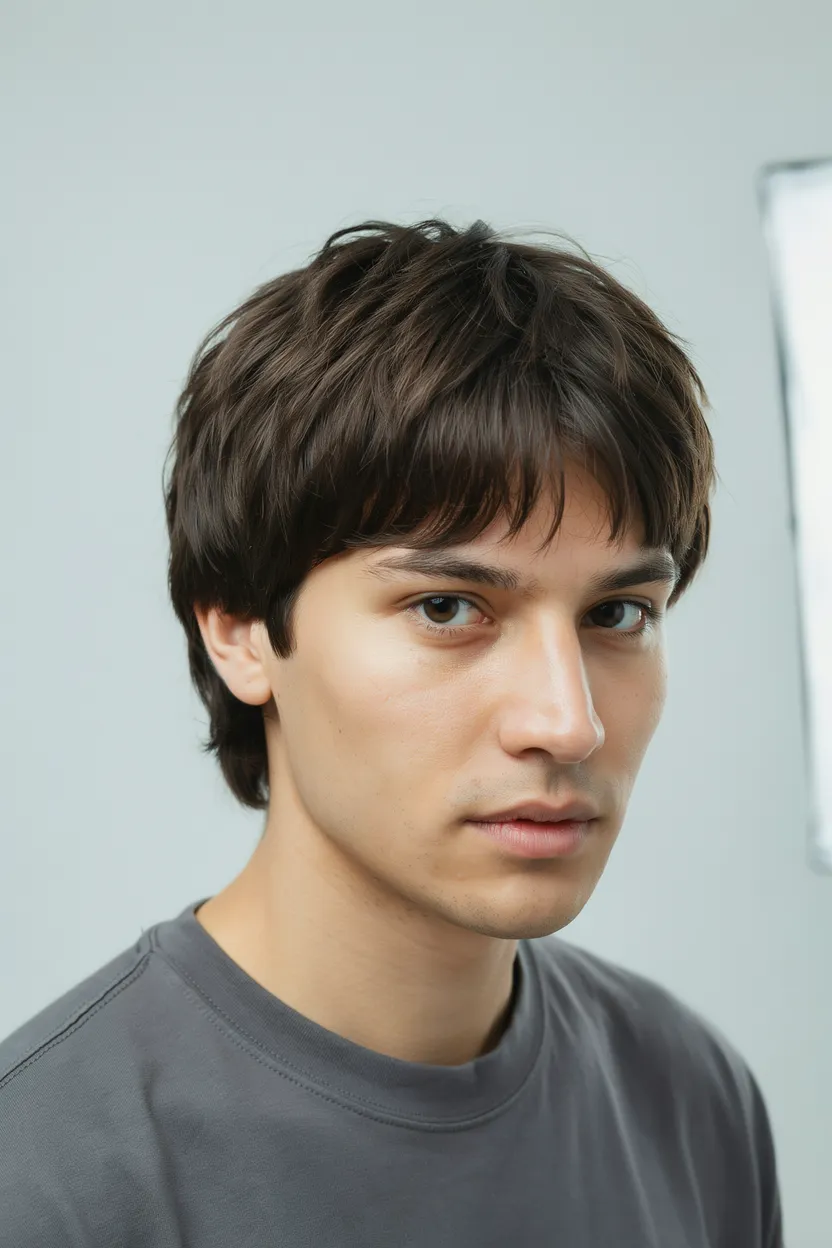
This updated take softens the shaggiest elements of the original 70s cut into a cleaner, more modern shape while still keeping visible layering and texture.
It’s ideal for men who like the retro concept but want something that feels a bit more current for everyday wear.
17. Shag for Round Face
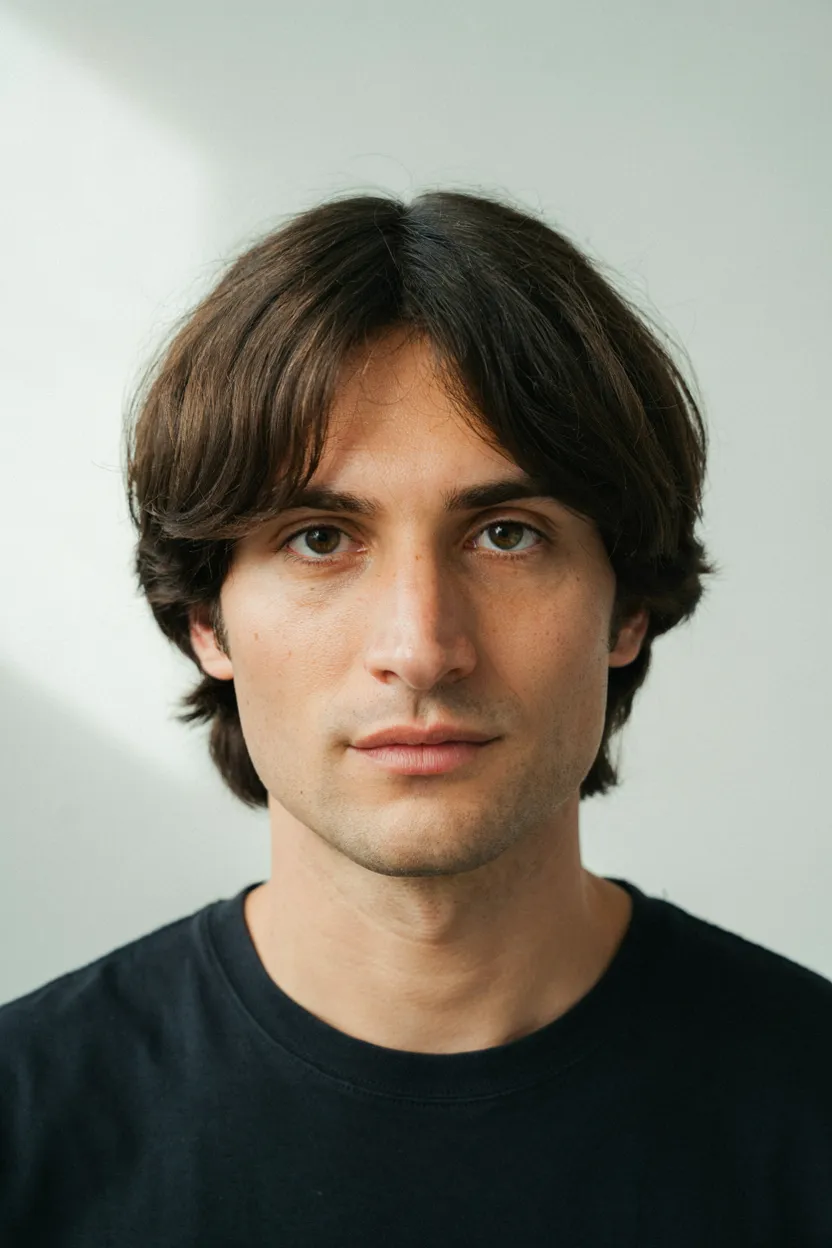
For round face shapes, keeping extra height at the crown and length around the jawline helps create a more elongated appearance, avoiding layers that add width at the cheeks.
This adaptation lets men with rounder features enjoy the shag’s texture while still balancing their overall face shape.
18. Shag for Square Face
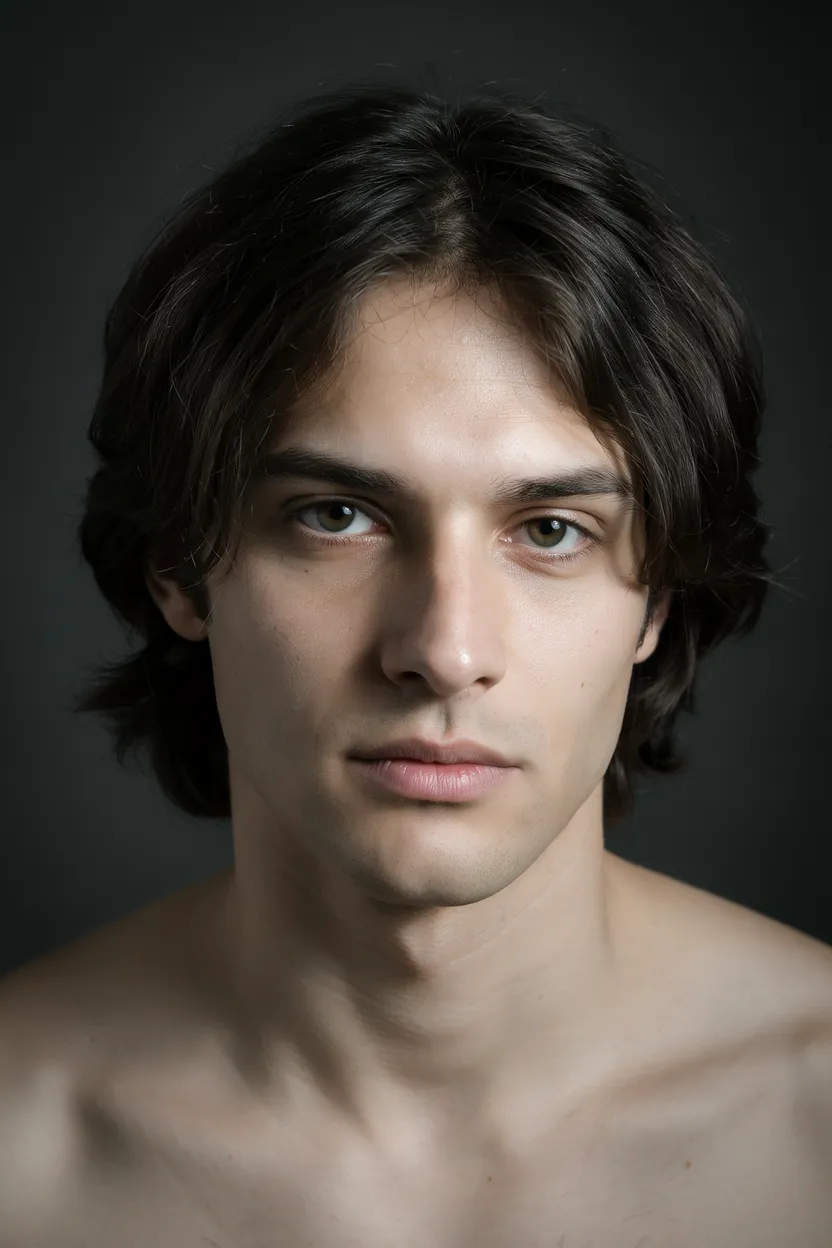
Square face shapes pair well with softer, rounded layering around the temples and jaw, which helps balance out strong angles without hiding the natural bone structure.
This version is a favorite for men who want the shag’s texture to complement rather than compete with a defined jawline.
Frequently Asked Questions
What is a 70s shag haircut for men?
A 70s shag haircut is a heavily layered men’s hairstyle with textured, shaggy movement throughout, typically falling between the ears and the collar, inspired by retro rock and casual styles from the 1970s.
Does a shag haircut work with straight hair?
Yes, a shag haircut works with straight hair, though a texturizing product or light waving is often used to help the layers separate and move the way they would with naturally textured hair.
How often do you need to trim a shag haircut?
A shag haircut usually needs a trim every six to eight weeks to keep the layers defined, since the style relies on shape more than exact length.
Is a shag haircut low maintenance?
A shag haircut is generally low maintenance day to day, since the layered texture is designed to look naturally tousled, though feathered or voluminous versions require more active styling.
What face shapes suit a 70s shag the best?
Most face shapes suit a 70s shag when the layering is adjusted accordingly, with added height and length flattering rounder faces and softer layering around the jaw balancing more angular faces.
Final Words
With eighteen versions of the 70s shag to choose from, the best fit depends on your natural hair texture, how much styling time you want to spend, and how bold you want the retro influence to feel. Curly and wavy hair types can lean into lower-maintenance versions that work with their natural movement, while straighter hair may need a bit more product or heat styling to get that same textured effect. Bolder takes like the mullet shag or rock-inspired volume suit anyone wanting a statement look, while shorter or more modern interpretations keep things wearable for everyday life. Whatever direction you choose, bring a reference photo to your barber and let them tailor the layering to your hair and face shape.

- Be Respectful
- Stay Relevant
- Stay Positive
- True Feedback
- Encourage Discussion
- Avoid Spamming
- No Fake News
- Don't Copy-Paste
- No Personal Attacks
- Be Respectful
- Stay Relevant
- Stay Positive
- True Feedback
- Encourage Discussion
- Avoid Spamming
- No Fake News
- Don't Copy-Paste
- No Personal Attacks
